

The Republic of Chile (Spanish: República de Chile) is located in southwestern South America, on the western slopes of the Andes. It borders Argentina to the east, Peru and Bolivia to the north, the Pacific Ocean to the west, and faces Antarctica across the sea to the south. It is the world's most geographically elongated country.
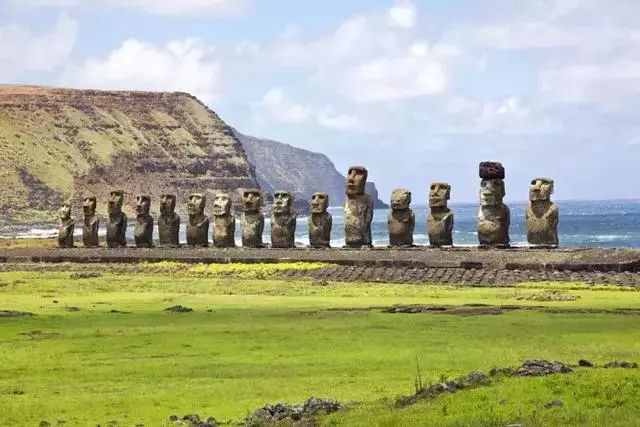
With a land area of 756,626 square kilometers, Chile looks like the "hemline" of South America on a map. Its famous tourist destinations include the capital, Santiago, and the mysterious Easter Island. Due to its location at the southernmost tip of the Americas, facing Antarctica, Chileans often call their country the "Land at the End of the World."
Chile is a member of the Union of South American Nations and, along with Argentina and Brazil, is considered one of the ABC Powers of South America. It ranks highly in press freedom, human development, and democratic development. Chile's education system is highly developed and recognized internationally.
Chile boasts high international competitiveness and quality of life, a stable political environment, a globalized and free economy, low perceived corruption, and a relatively low poverty rate. It's considered a high-income economy by the World Bank and a developed country according to some standards (such as the Human Development Index).
- Far North: Stunning highland landscapes, Chungará bird island, the driest desert in the world, beautiful volcanoes, and salt flats.
- Near North: The clearest skies in the world, warm waters, charming beaches, and the mysterious Elqui Valley.
- Central Coast: The country's main beaches, including Easter Island and the Juan Fernández Islands.
- Santiago: Chile's political and administrative center, as well as its cultural hub.
- Central Region: Preserves traditional pastoral landscapes and Chilean folk culture.
- Araucanía Region: The land of the Mapuche people, surrounded by over 15 rivers and pristine rainforests, with rivers teeming with trout and sardines.
- Austral Zone: Located in the southernmost part of Chile, with thousands of islands, fjords, glaciers, and temperate rainforests.
This post highlights ten must-see destinations in Chile, centered around the stunning Torres del Paine National Park. These are experiences no travel enthusiast should miss. As they say, either your body or your soul must be on the road.
Top 10 Travel Highlights in Chile
1. Torres del Paine National Park
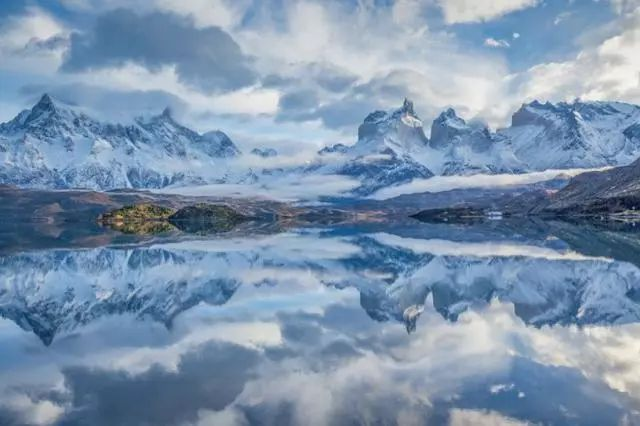
Located at the southern end of the Andes, in the heart of Chilean Patagonia, Torres del Paine National Park shares the vast Patagonian steppe with Argentina. Here, the South American continent narrows considerably, the Andes are lower, and the landscape on both sides of the ocean is fragmented due to glacial erosion.
This park fulfills every traveler's dream of scenic beauty. It's a paradise for nature lovers, a haven for outdoor enthusiasts, and a dream destination for nature photographers worldwide. National Geographic magazine named Torres del Paine the "fifth most beautiful place in the world" and one of the "50 Places of a Lifetime."
2. South America's Premier Eco-Camp

As a lodging facility that strictly adheres to sustainability principles, EcoCamp Patagonia uses only clean energy and biodegradable consumables. Even its iconic green domes are designed to withstand strong winds and can be built and removed without leaving a trace.
Located at the foot of the Paine Massif in Torres del Paine National Park, the camp minimizes its ecological impact by having no fences or power grids, allowing animals to roam freely. This means guests can coexist with pumas, guanacos, and other wildlife.
The cozy cabins are equipped with a king-size bed, a sitting area, a wood-burning stove, and a bathroom. On chilly evenings, you can enjoy dinner by the fire while gazing out at the forests and mountains. Prices for a basic double room start at around 2300 RMB (all-inclusive).
3. Laguna Azul
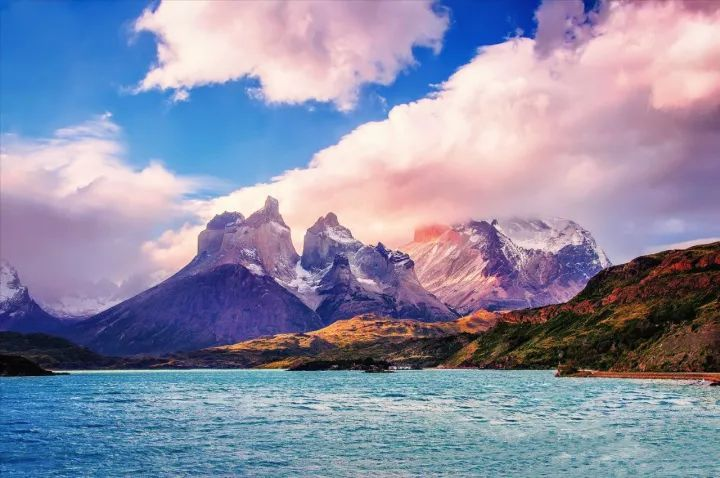
Laguna Azul (Blue Lagoon) boasts stunning blue waters, surrounded by lush vegetation. In the distance, you can see the full panorama of the Paine Horns and the main peaks. The tranquil lake reflects the surrounding mountains and vegetation, offering breathtaking scenery year-round. Enjoy a barbecue meal at the lakeside farmhouse while taking in the breathtaking views.
4. Paine Horns (Cuernos del Paine)
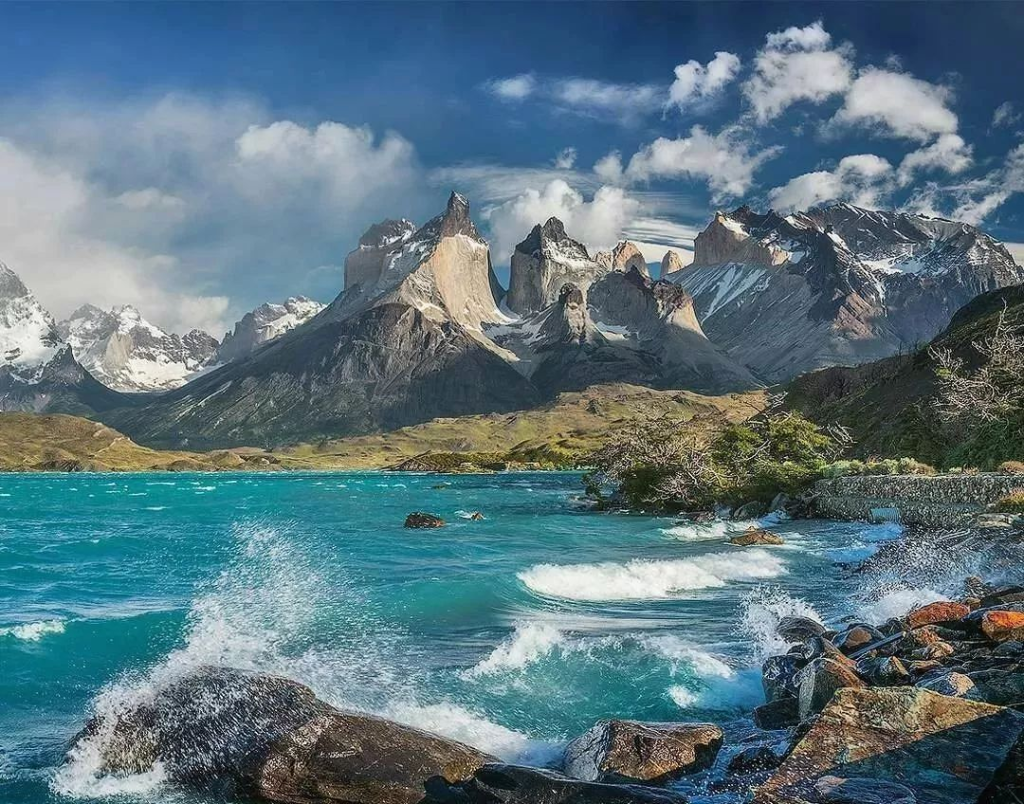
The Paine Massif is located in the center of the park. These majestic peaks can be seen from almost every corner of the park. The most famous are the Paine Horns on the eastern side, a volcanic chain composed of granite and topped with a layer of slate.
In some areas, large blocks of underground granite were uplifted by tectonic movements, breaking through the Earth's surface to form pillar-like structures. Glacial erosion later rounded the tops while leaving the sides steep. The black slate top adds to its unique geological structure. It's one of the world's most renowned mountains with a distinctive shape, attracting landscape photographers from around the globe.
5. Rare and Endangered Wildlife
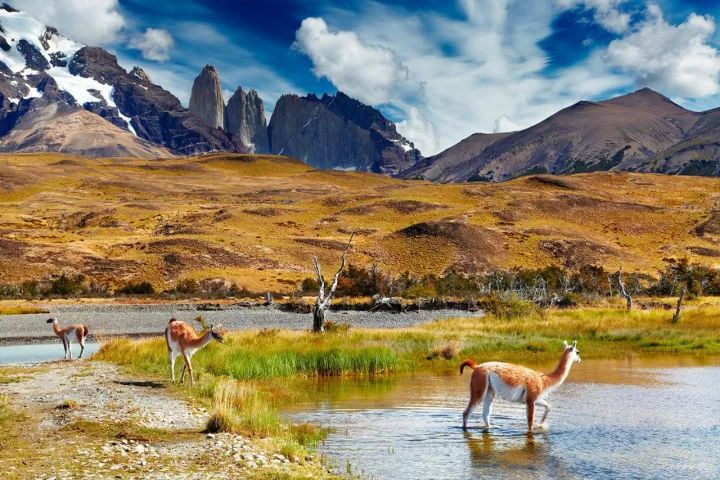
In 1978, Torres del Paine National Park was designated a UNESCO Biosphere Reserve. It's home to nearly 100 native animal species, including the Patagonian fox, and over 100 bird species, such as the Magellanic woodpecker, owls, and flamingos.
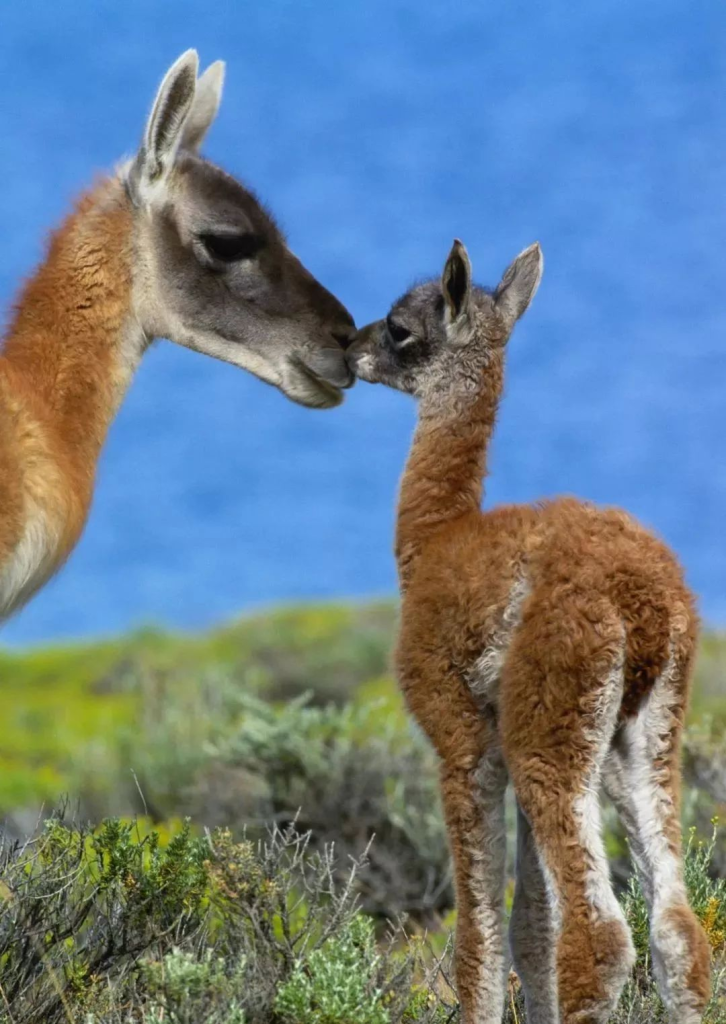
Like Africa, it has its own "Big Five": the Puma, the Huemul (an endangered Andean deer), the Andean Condor, the Guanaco, and the Rhea (also known as the South American ostrich).
6. Grey Glacier
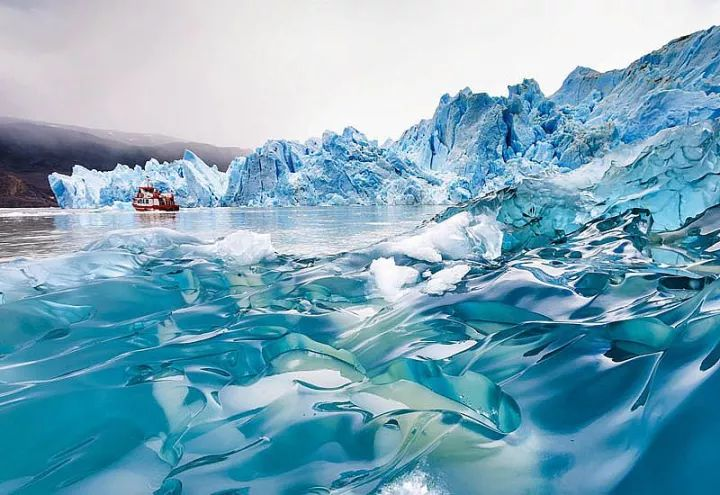
Grey Glacier is one of the largest glaciers in Torres del Paine National Park and the third-largest in the world. It's 6 kilometers wide and over 30 meters high, an awe-inspiring sight. When the glacier calves, large chunks of ice fall into the lake, creating a dramatic spectacle.
Grey Lake is formed by the meltwater of Grey Glacier and is often dotted with floating icebergs that drift to the shore. A boat trip on Grey Lake offers a frontal view of the glacier and the chance to witness calving, a favorite activity for photographers.
7. Salto Grande Waterfall
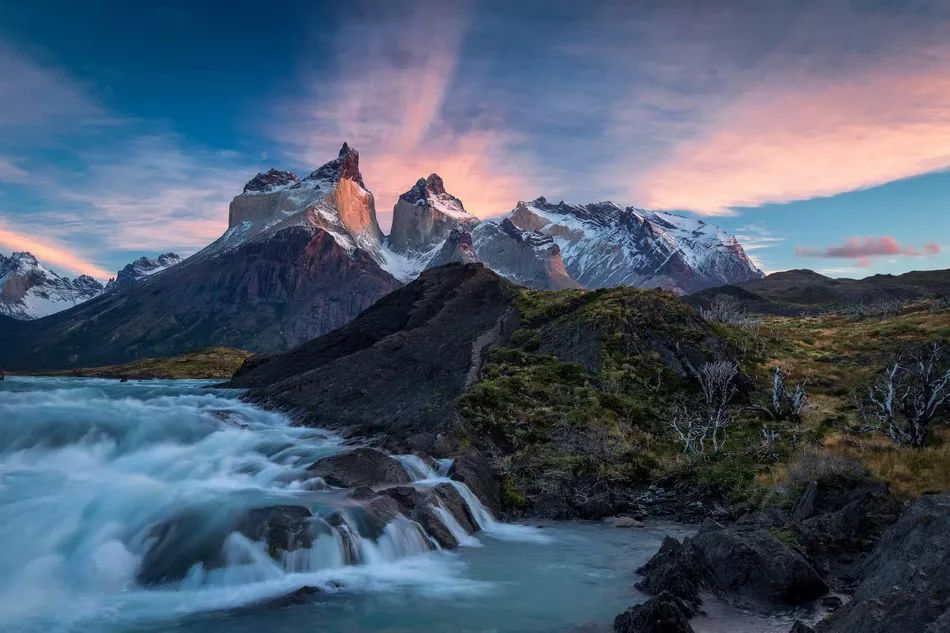
The Salto Grande Waterfall is formed by the flow of water from Lake Nordenskjöld to Lake Pehoé, creating a 10-meter drop. It is one of the most stunning features in the park. The air is fresh, and the winds are strong. Many tourists make a stop here every year.
8. El Toro Lookout
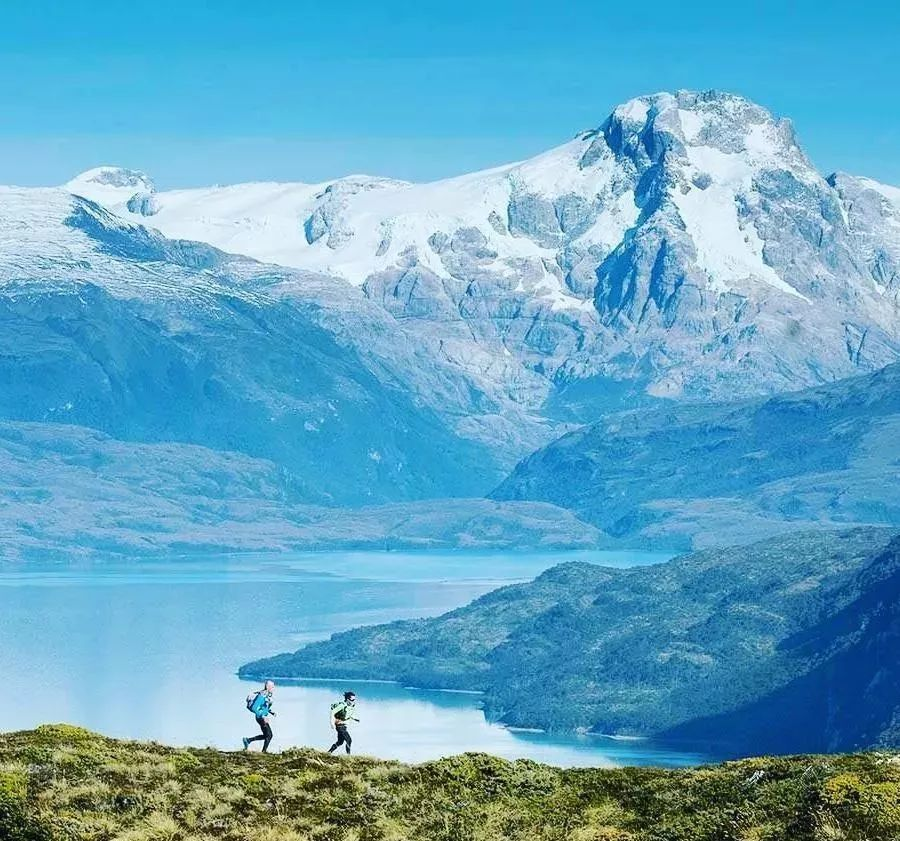
From the El Toro Lookout in Torres del Paine National Park, you can enjoy panoramic views of the Cordillera Paine, the Patagonian Andes, and various lakes and glaciers, including Paine, Grey, Serrano Rivers, and Lake Toro.
9. The Three Towers (Las Tres Torres)
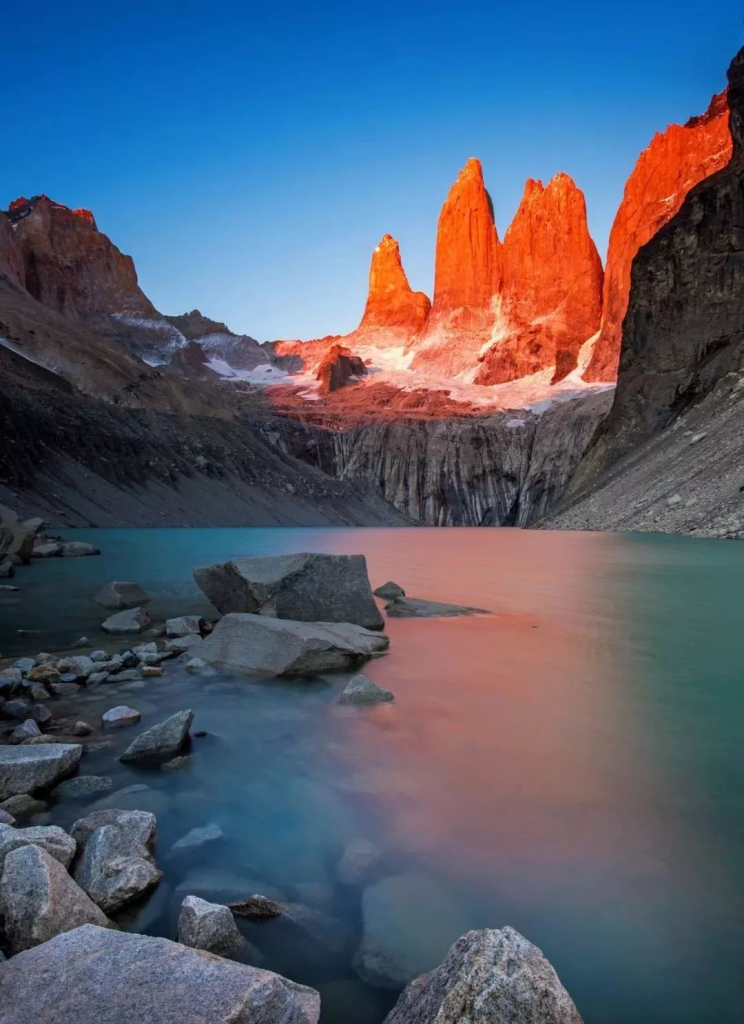
The Three Towers are the most iconic landmark of Torres del Paine National Park, three granite peaks that rise like fingers from the mountains. The central peak is the highest, reaching 3,050 meters. The glacial lake at the foot of the towers has a beautiful turquoise hue. The towers face east, making it an ideal spot to watch the sunrise.
10. World's Best Hiking Trail
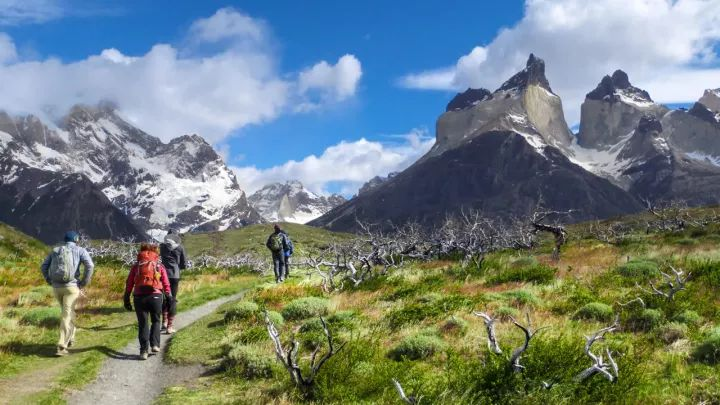
Thanks to Lonely Planet, the W Trek in Torres del Paine National Park has been crowned the world's best hiking trail. If you have time, consider camping or taking a leisurely hike to experience the ever-changing weather and the charm of experiencing all four seasons in a single day.
Chile Travel TIPS
- Best time to visit: October to April is the peak tourist season in Patagonia. December to February offers warm weather, abundant sunshine, and blooming wildflowers, making it ideal for hiking. March to April, the local autumn, is the best time for photography due to the beautiful foliage.
- Temperature: Chile is in the temperate mid-latitudes. January (summer) temperatures average around 30°C (86°F), while April to July (winter) temperatures range from 3 to 15°C (37 to 59°F). There are significant temperature differences between day and night.
- Language: The official language is Spanish. Mapuche is spoken in indigenous communities.
- Currency: The Chilean currency is the "peso."
- Safety: Chile is one of the safest countries in South America.
- Voltage: The voltage in Chile is 220V. You'll need a two-prong adapter (US or European style).
- Tipping: Tipping 10-15% is customary in restaurants and bars. Some restaurants include it in the bill. Tipping taxi drivers is not common.
- Departure Tax: US$26 per person (international flights), payable at the airport.