

Aruba, a Dutch overseas territory and the "A" in the famed "ABC Islands" of the Caribbean, is a destination that truly lives up to the hype. These "ABC Islands" consist of Aruba, Bonaire, and Curacao, with Aruba being the westernmost of the trio.
Located in the southern Caribbean Sea, Aruba is a diverse island nation, part of the Kingdom of the Netherlands, with eight administrative regions and a capital city called Oranjestad.
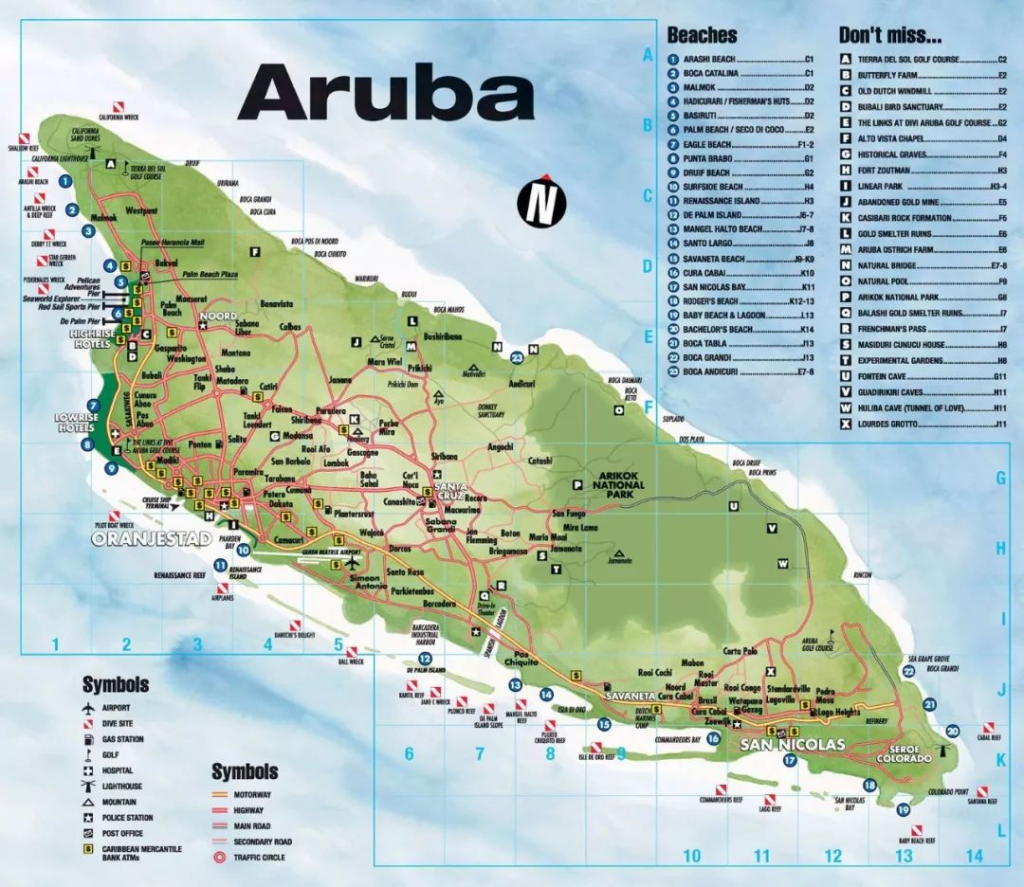
Home to around 100,000 people from over 130 different countries, Aruba is a melting pot of cultures. The official language is Dutch.

Unlike many other Caribbean destinations, Aruba boasts a dry climate with arid landscapes dotted with cacti. Situated outside the hurricane belt, the weather remains relatively stable throughout the year, with an average temperature of a pleasant 28°C (82°F). This makes it a perfect getaway for sun-seekers, all year round!
Every January and February, the island hosts a month-long Carnival celebration filled with music, costumes, parades, and parties. The festivities start after the New Year and culminate before Ash Wednesday. December to April is Aruba's peak tourist season, which means that accommodation will be harder to book and prices will be higher.
Aruba is a small island, just 32 kilometers (20 miles) long and 9 kilometers (5.6 miles) wide, with a total land area of 179 square kilometers (69 square miles). Despite its size, it's rich in culture and natural beauty, making it a popular vacation destination among Americans and Europeans. Aruban also allows visa-free entry for US and Canadian citizens.
1. Renaissance Island: Home to Aruba's Famous Flamingos
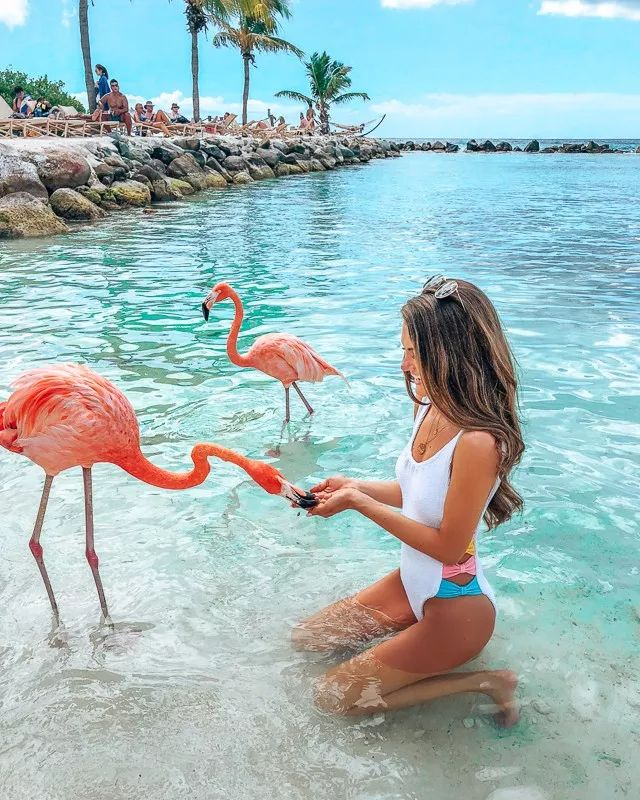
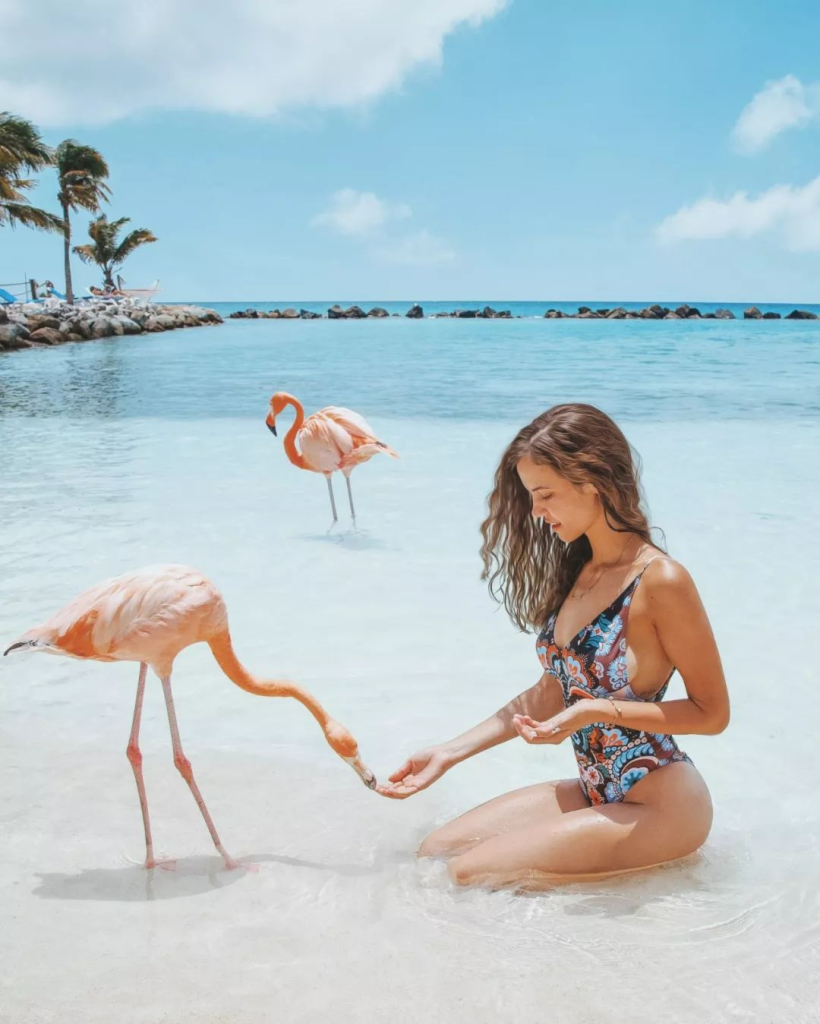
Pink flamingos against a backdrop of turquoise waters – this is the picture-perfect scene that lures visitors to Aruba. These iconic flamingos are not found across the island but rather on a private island, Renaissance Island, which belongs to the Renaissance Aruba Resort. Easily accessible near Aruba's main shopping hub, it's just an 8-minute drive from Queen Beatrix International Airport.
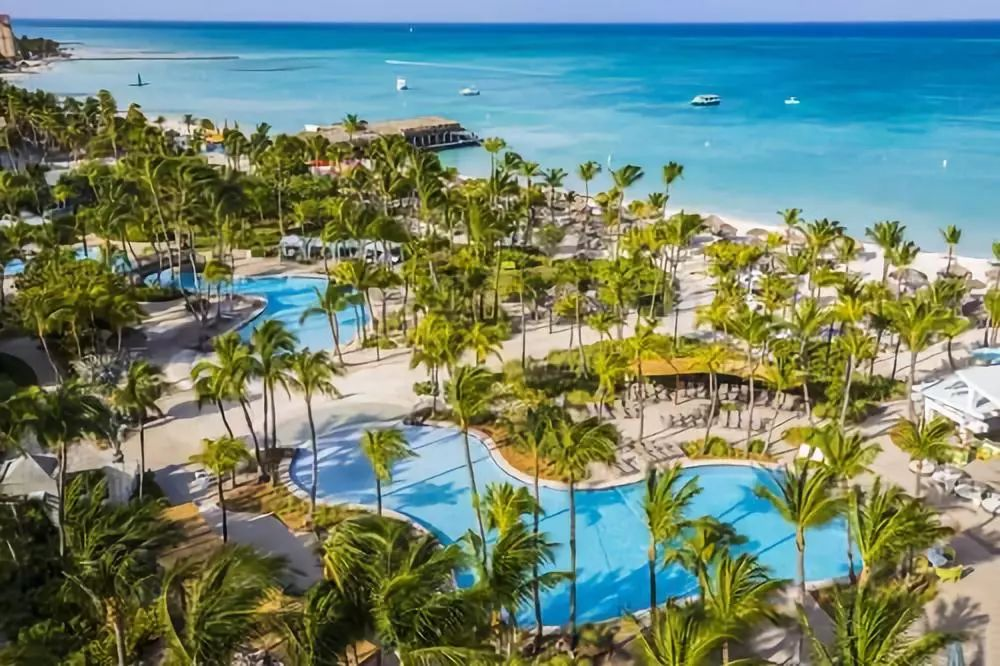
Access to the beach is free for resort guests. Other visitors can access the beach by paying a $99 day pass, which includes round-trip boat transport, an island lunch, and a drink. However, only 30 passes are sold to non-hotel guests daily, so confirm availability before your trip. Alternatively, a stay at the hotel starts from just $150 per night.
Hammocks, swaying palm trees, and flamingos strolling the beach create a picturesque Caribbean setting. For added privacy, you can rent one of the charming beach cabanas. However, note that the resort beach is split into adult-only and family areas. The flamingos inhabit the adult section, so those under 18 are not permitted.
2. Eagle Beach: Soft Sands & Picture-Perfect Trees
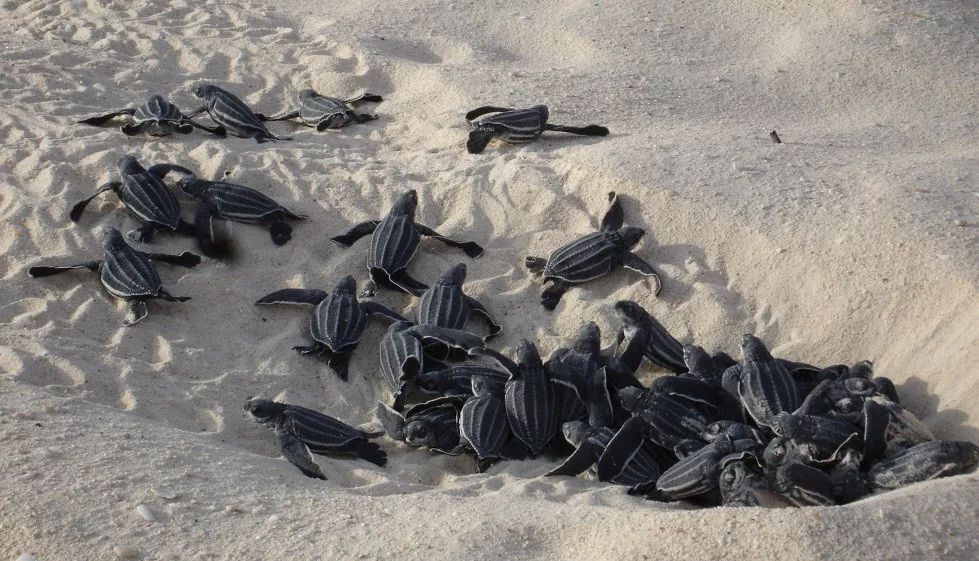
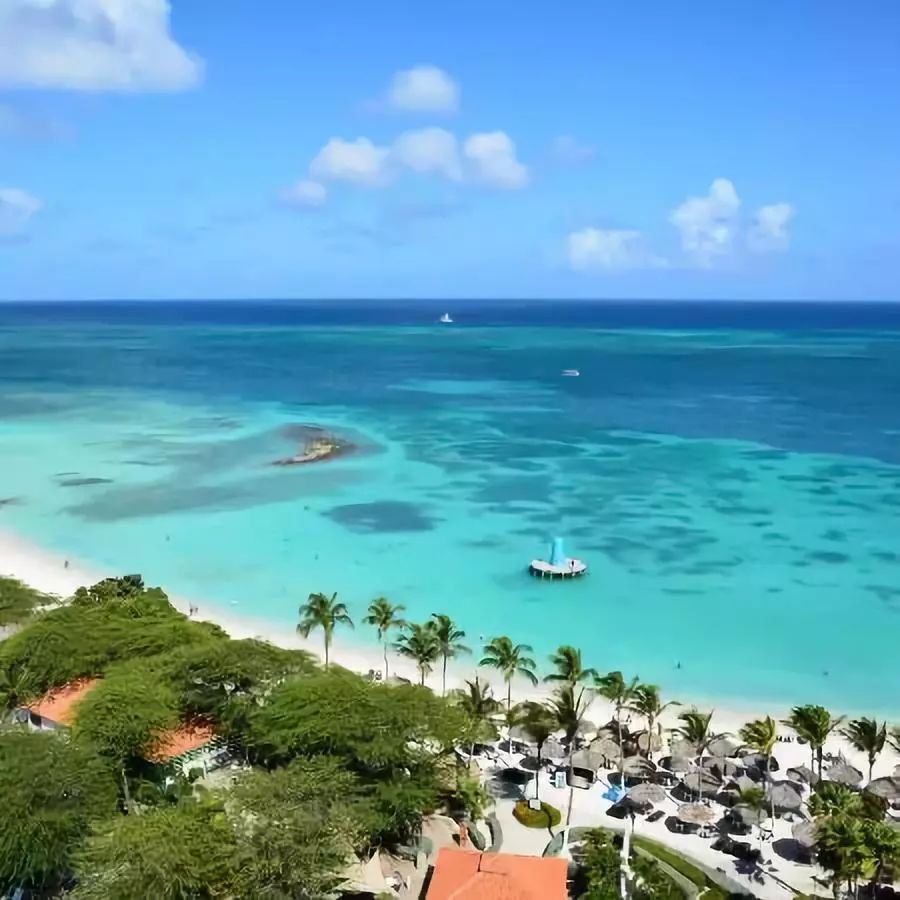
Ranked third among TripAdvisor's best beaches in the world in 2017, Eagle Beach is Aruba’s widest stretch of sand, known for its powdery white sand. Enjoy the endless views of the Caribbean Sea, find a shady spot under a palapa (beach hut), or indulge in water sports. There are many budget-friendly hotels nearby, with ample parking available.
The two fofoti trees on the beach are a popular photo opportunity. You might also spot turtle nests, and if you’re lucky, even witness baby turtles hatching.
On weekends, locals often play beach tennis on Eagle Beach. Join in if you happen to visit on those days. Families also have a tradition of camping here during Easter week.
3. Antilla Wreck: Dive into History
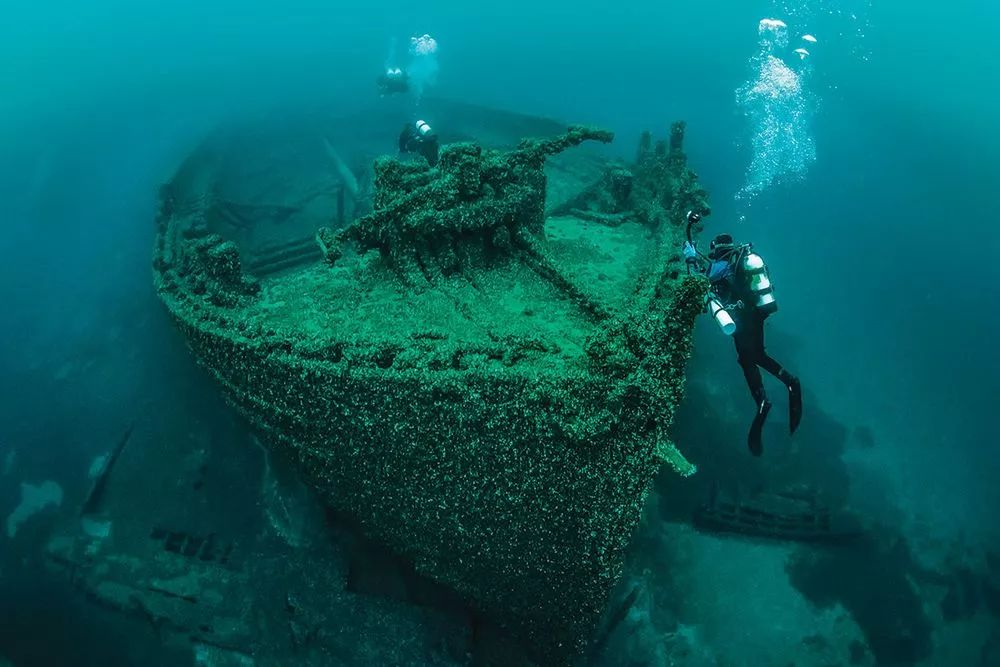
Located off Aruba's northern coast is the famous Antilla shipwreck. Built in 1939, the Antilla was a German cargo ship that sank during World War II in 1940. Now, it’s one of the largest wreck diving sites in the Caribbean.
The wreck lies about 122 meters deep, with a third of it visible in shallow waters, making it accessible for snorkeling. For a more immersive experience, you can try scuba diving. The wreck is still relatively intact, allowing exploration of the portholes, decks, and interior. You’ll also find vibrant tropical fish, anemones, sponges, and corals inhabiting the wreck.
The waters in this area can be choppy. Wreck diving tours are typically offered as part of a cruise package with several tour companies, and it's not advisable to try swimming to the wreck on your own due to dangerous conditions.
4. Arikok National Park: Aruba's Rugged Side
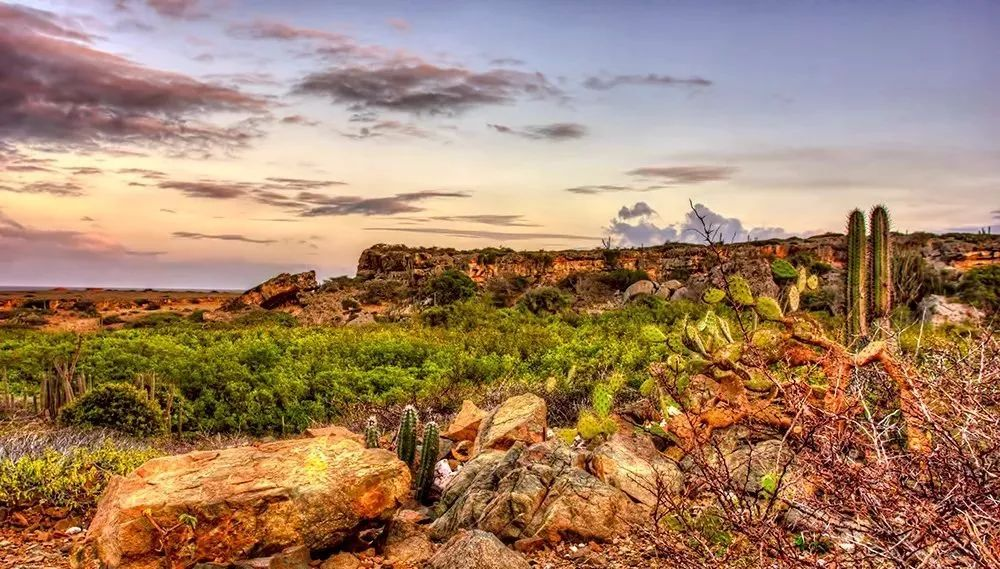
Aruba's allure extends beyond its beaches. Arikok National Park, on the island's east coast, covers almost a fifth of the island. Visitors can opt for a self-drive tour, or choose from guided hikes.
Due to the rugged terrain, it is advisable to use a 4x4 vehicle if driving by yourself. The park is filled with local flora and fauna and desert landscapes with numerous cacti. The park also organizes a monthly open-air movie night.
A highlight of the park is the natural sea pool called Conchi. The crystal-clear water invites you to take a swim. You can also test your courage with some cliff jumping.
Arikok National Park is also home to numerous caves, the most famous of which is Guadirikiri Cave. Extending 100 meters deep, the cave is made up of two chambers with prehistoric rock art, stalactites, stalagmites, and hundreds of bats. Light streams through the natural openings at the top of the caves, illuminating the rock walls and creating a truly spectacular sight.
5. Oranjestad: A Blend of Dutch & Caribbean Charm
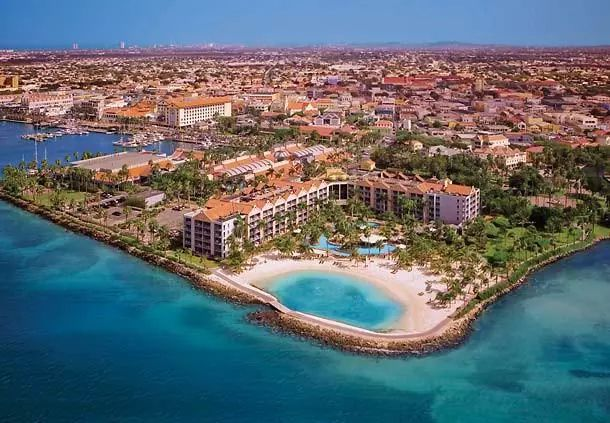
Aruba was colonized by the Dutch in 1636, and today, you'll see remnants of this colonial past with a fusion of Dutch and Caribbean styles. This is especially evident in Oranjestad, Aruba’s capital and largest city.
Wandering through this vibrant city is like taking a trip through the island’s history. Feel the European charm, visit historical landmarks like the Aruba Archaeological Museum and Fort Zoutman, or enjoy upscale shopping at the Renaissance Mall and Royal Plaza Mall.
Fort Zoutman, built by the Dutch in 1798, is Aruba's oldest standing building. Restored in 1983, it is now open to the public as part of the Aruba Historical Museum. The Aruba Archaeological Museum, founded in 1981, holds a vast collection of artifacts dating back to 2500 BC.