

The Svalbard archipelago, a name unfamiliar to many, is a destination that can be considered one of the purest inhabited places on Earth. Located in the Arctic region, it's the northernmost territory of Norway, situated roughly halfway between mainland Norway and the North Pole.
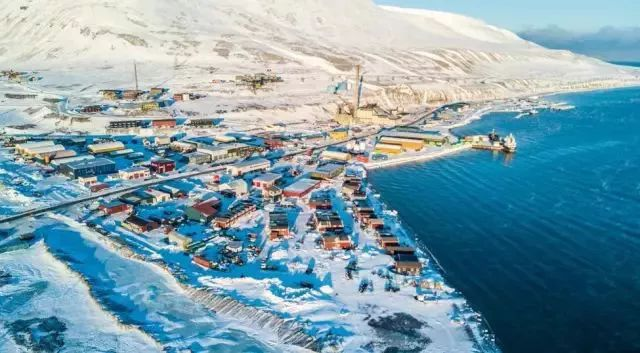
The archipelago consists of nine main islands, including Spitsbergen, Nordaustlandet, Edgeøya, Barentsøya, Prins Karls Forland, Kvitøya, Kong Karls Land, Bjørnøya (Bear Island), and Hopen, along with numerous smaller islands.
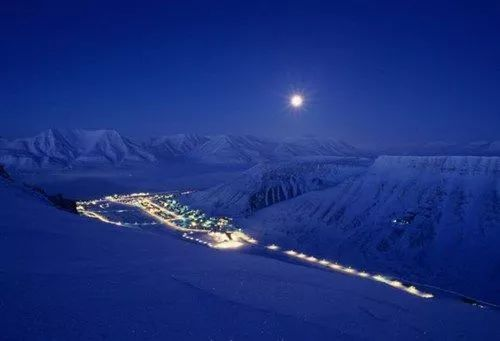
The capital, Longyearbyen, is located on the largest island, Spitsbergen. It's one of the closest inhabited areas to the North Pole, with a total area of about 62,000 square kilometers and a population of around 1,800. In fact, there are more polar bears than humans, earning it the nickname "the kingdom of polar bears."
This town has an astonishing law: giving birth and dying are prohibited. Yes, even for long-term residents! Because Longyearbyen is perpetually covered in snow and underlain by permafrost, bodies don't decompose naturally, and viruses can persist indefinitely.
Anyone who is ill or elderly, as well as pregnant women approaching their due date (as childbirth can carry the risk of death), must leave. While this regulation might seem bizarre, violating it is a crime! It's the only city in the world where death is illegal, unless it's a sudden, unexpected death.
From November to February, Longyearbyen experiences polar night, with the entire town enveloped in cold and darkness. From April to August, it experiences the polar day. For most people, it's hard to imagine what life is like in such extreme conditions.
It's not an exaggeration to say that "one-night stands" are common here. Perhaps the long nights foster a certain kind of intimacy. If someone in Longyearbyen tells you that one-night stands are common, believe them, because the nights here are incredibly long...
Even during the polar night, daily life continues as usual. The town is brightly lit, and all businesses operate normally. From April to August, the sun never sets. Experiencing the midnight sun is a truly surreal and magical experience. Nevertheless, it is still the most isolated city in the world. With over 5,000 polar bears in the area, your chances of seeing a polar bear are higher than encountering a human. Even the road signs warn, "Beware of polar bears." As a result, it's mandatory to carry a gun when venturing outside.
Polar bears are the unofficial "mascots" of Longyearbyen. Tourists must attend a training course on how to deal with these cute but dangerous animals. However, local laws strictly forbid approaching polar bears or disturbing them.
In March and April, polar bears often appear on the edges of the ice floes, making it the best time to spot them. You can take a boat trip to search for them. However, due to global warming, polar bears are becoming increasingly difficult to see. If you're lucky enough to spot one, it's a truly special experience.
This post highlights nine must-see attractions in Svalbard, a mysterious land that 99.9% of people have never heard of, yet offers incredible experiences for adventurous travelers.
1. A Town of Color
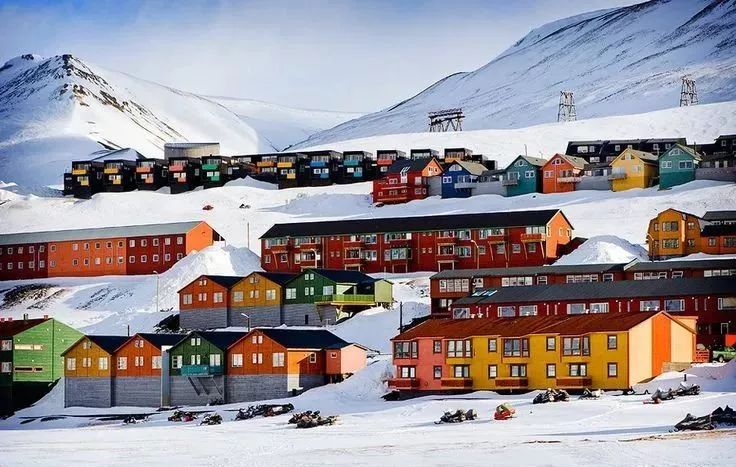
Svalbard could be considered the northernmost colorful town in the world. While Longyearbyen might seem like a cold, icy place, it has a fairytale-like charm. The houses are painted in vibrant colors, adding warmth to this snowy landscape.
2. The Top of the World
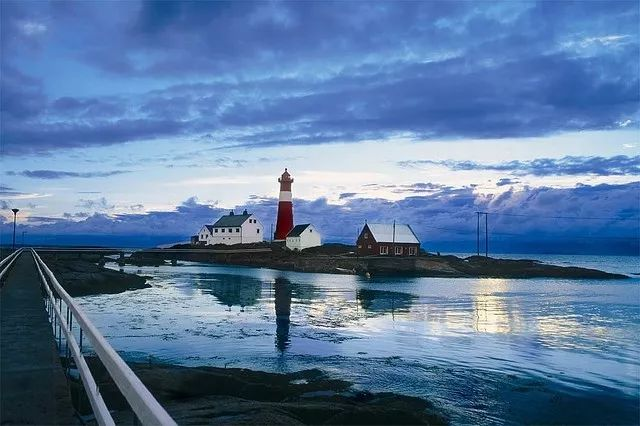
The "fairytale town" of Longyearbyen is the archipelago's capital and the northernmost permanently inhabited settlement in the world. The town's post office, church, airport, power plant, and other facilities are all among the northernmost of their kind.
- ▲ The world's northernmost lighthouse
- ▲ The world's northernmost church
- ▲ The world's northernmost university: The University Centre in Svalbard
- ▲ The world's northernmost museum
- ▲ The world's northernmost post office
3. The Doomsday Vault: Svalbard Global Seed Vault
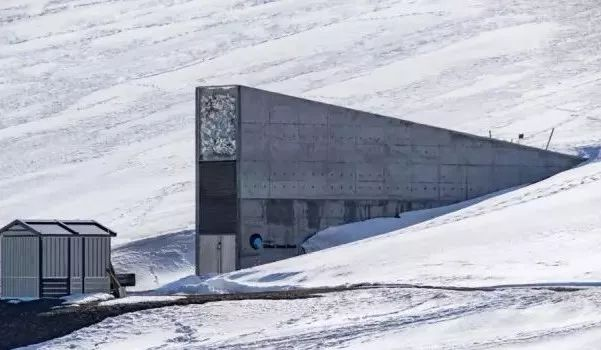
This extraordinary land is home to a place known as the "Doomsday Vault": the Svalbard Global Seed Vault, also called "the Noah's Ark of global agriculture." It's located in the permafrost zone, just over 1,000 kilometers from the North Pole.
It's essentially a giant freezer, with a vault kept at -18°C, as secure as the world's largest gold vaults and with blast-proof and earthquake-resistant features capable of withstanding a nuclear attack. It stores 1.5 million varieties of crop seeds from around the world, totaling around 100 million seeds.
Wheat, barley, and pea seeds can be stored for about 1,000 years, while sorghum seeds can be stored for up to 19,500 years. You might think this "Doomsday Vault" is an exaggeration, but in 2015, Syria withdrew 130 boxes of seeds to restore its agriculture after the civil war, becoming the first country to utilize the "Doomsday Seeds."
4. Polar Bears
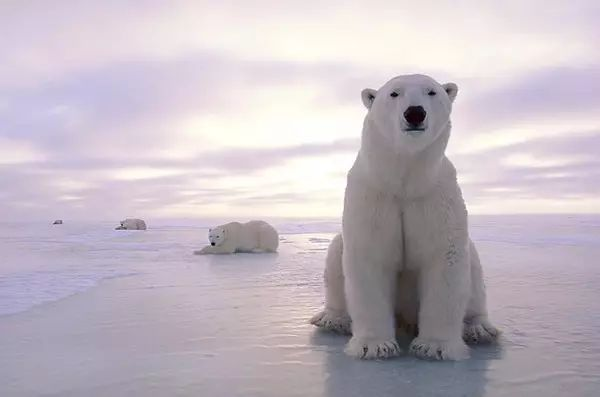
When traveling here to see polar bears, guides will only allow you to observe them through binoculars. If you see someone wearing a mask and carrying a gun, don't be alarmed; they're likely just hiking. However, with the melting of glaciers, the survival of polar bears and other polar animals is threatened. Locals even joke that "polar bears are getting so thin they barely look like bears anymore."
5. Arctic Research Station
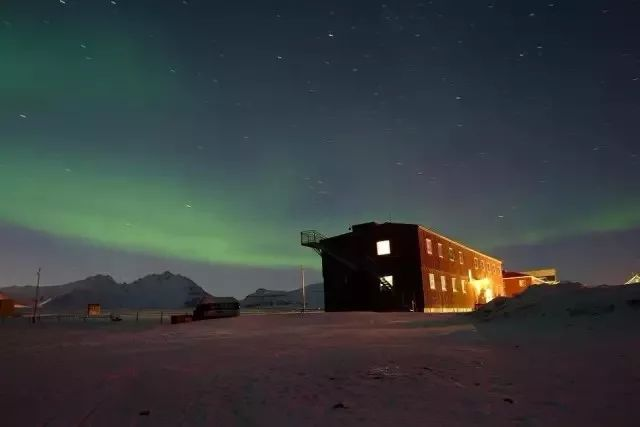
Due to its unique geographical location, nearly all of the world's Arctic research stations are located here.
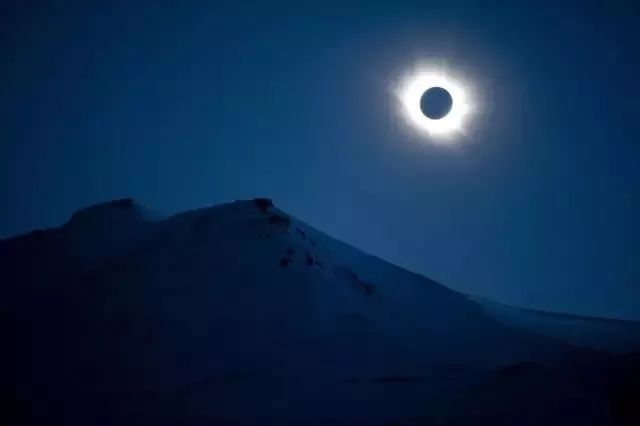
▲ 2015 Longyearbyen total solar eclipse photographed by Jon Olav Nesvold
6. Icy Landscapes
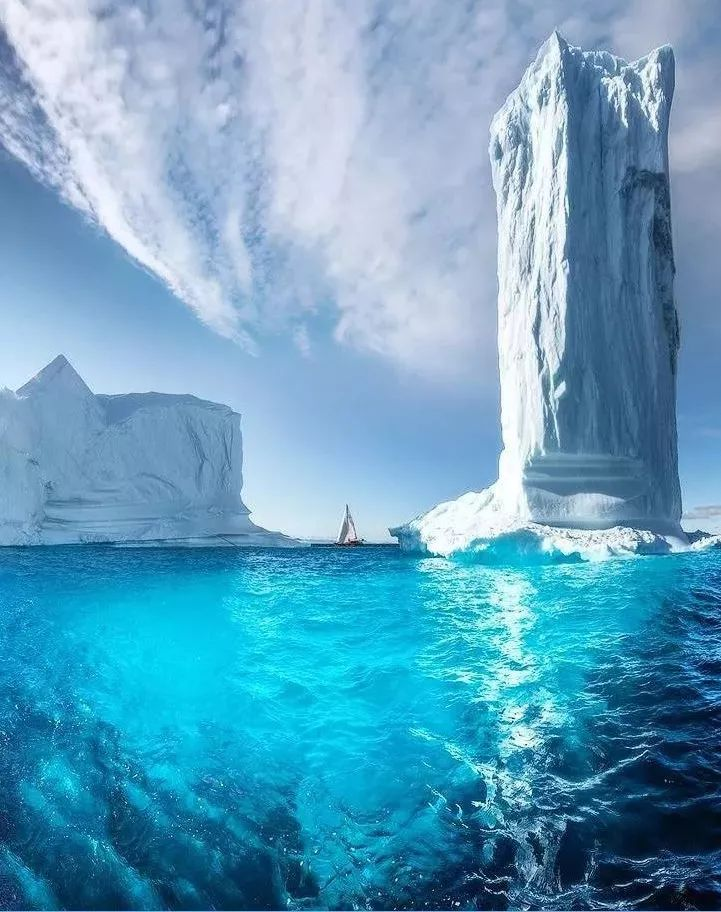
Nearly 60% of the island is covered by glaciers, making it a gateway for Arctic exploration. Svalbard offers countless rare and stunning landscapes, with every photo looking like a postcard. Glacial landscapes, ice walls meet the sea, and the pure scenery is refreshing.
7. Northern Lights
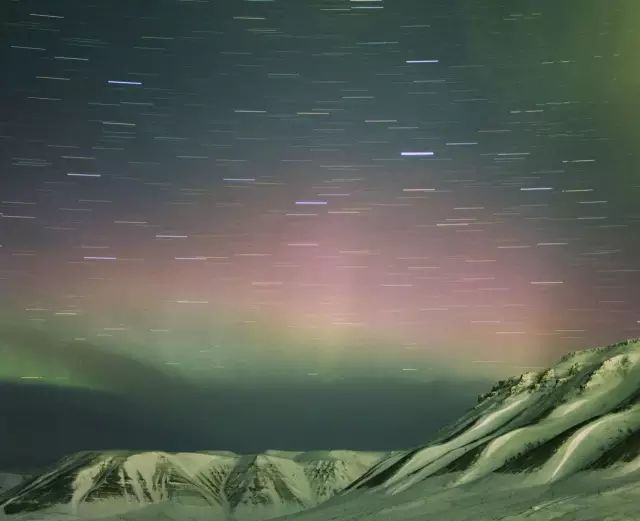
Camping under the vast sky, stargazing, and encountering the Northern Lights, riding a snowmobile or tracked vehicle in the snow, and pursuing the ultimate northern freedom - these are must-dos in Longyearbyen. The polar day is the peak season for tourism and exploration. Svalbard is one of the few places on Earth where you can see the Northern Lights during the day.
You can see the Northern Lights almost every day, with September being a particularly active period. The colored lights dance in the sky, changing colors and shapes.
8. A Dialogue Between Soul and Nature
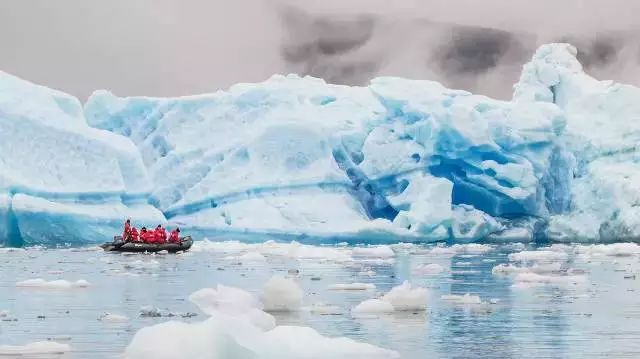
This island attracts many young people from nearby countries like Iceland, who come to spend a period of their lives in freedom. Explore ice caves and fulfill a personal goal. Hike across the ice fields and experience the breathtaking solitude of the Arctic. This is a place for those with a peaceful heart, those who seek a dialogue between their soul and nature.
9. Rare Wildlife
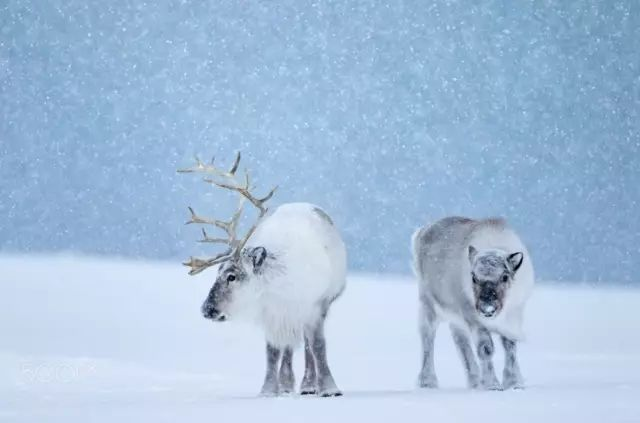
Svalbard is extremely cold, but those who have visited are often filled with a sense of excitement. You might never understand the fleeting nature of time until you come here - every second is a coincidence. Encountering these resilient little creatures in the Arctic is a source of endless joy.
In the summer, puffins come to breed. Their droppings fertilize the barren land, allowing grasslands and tundra to grow, which in turn attract reindeer. Seabirds also attract Arctic foxes, completing the food chain. Over tens of thousands of years, the glaciers have carved out huge U-shaped valleys from the mountains, providing a habitat for large herds of Svalbard reindeer.