

"Everybody needs beauty as well as bread, places to play in and pray in, where nature may heal and give strength to body and soul." - John Muir
Former US President Franklin D. Roosevelt once said that establishing national parks was one of the best decisions the United States ever made. Firstly, it protected North American flora and fauna, allowing ecosystems to thrive. Secondly, it allowed people from all over the world to witness such magnificent landscapes.
The United States has one of the largest and most renowned national park systems in the world. With 59 national parks, each with its own unique features, planning a trip requires considering your interests, the season, the duration of your trip, and the proximity to other destinations.
This post highlights the ten most popular national parks in the United States, each a masterpiece of nature. These captivating destinations should be at the top of your travel list.
10. Glacier National Park, Montana

Glacier National Park covers over 4,000 square kilometers and includes two mountain ranges (sub-ranges of the Rocky Mountains), over 130 named lakes, more than 1,000 different species of plants, and hundreds of species of animals. This vast pristine ecosystem has been referred to as the "Crown of the Continent Ecosystem."
Glacier National Park borders Waterton Lakes National Park in Canada. The two parks are known as the Waterton-Glacier International Peace Park and were designated as the world's first International Peace Park. Both parks were designated by the United Nations as Biosphere Reserves in 1976 and in 1995 as World Heritage sites.
9. Acadia National Park, Maine
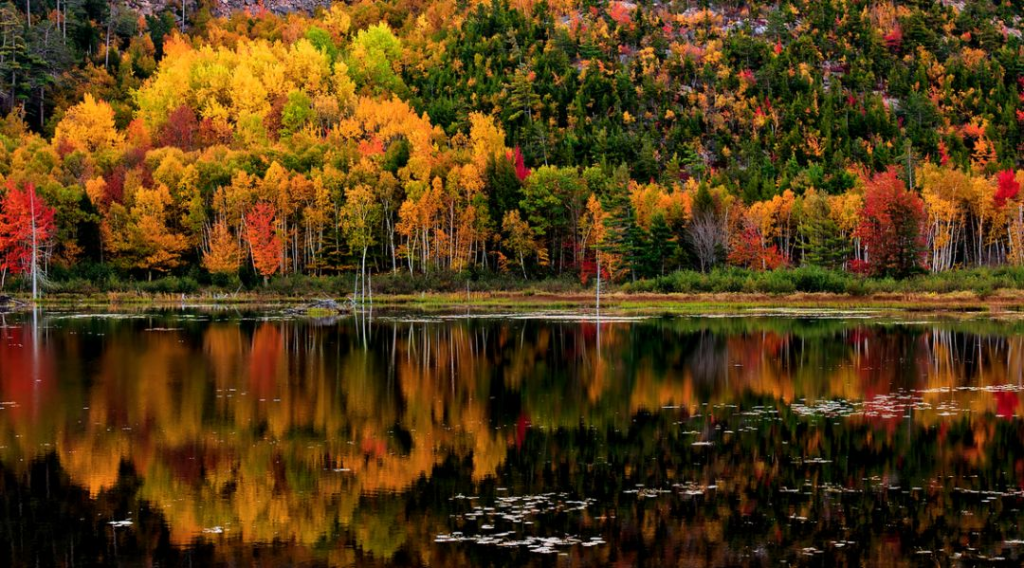
Acadia National Park is located along the Atlantic coast on both sides of Frenchman Bay, covering an area of 168 square kilometers. It was first established in 1916. The main part is the forested area of Mount Desert Island, with Cadillac Mountain as its centerpiece, featuring Anemone Cave and Sieur de Monts Spring. Other areas include the cliff-lined Schoodic Peninsula and half of Isle au Haut.
The park sits at the transition zone between northern and temperate forests, and its cold, shallow bays are home to a variety of marine life. Acadia National Park offers a stunning combination of mountains and sea. Most of the park is located on Mount Desert Island, which includes parkland, private property, and several seaside villages.
8. Zion National Park, Utah
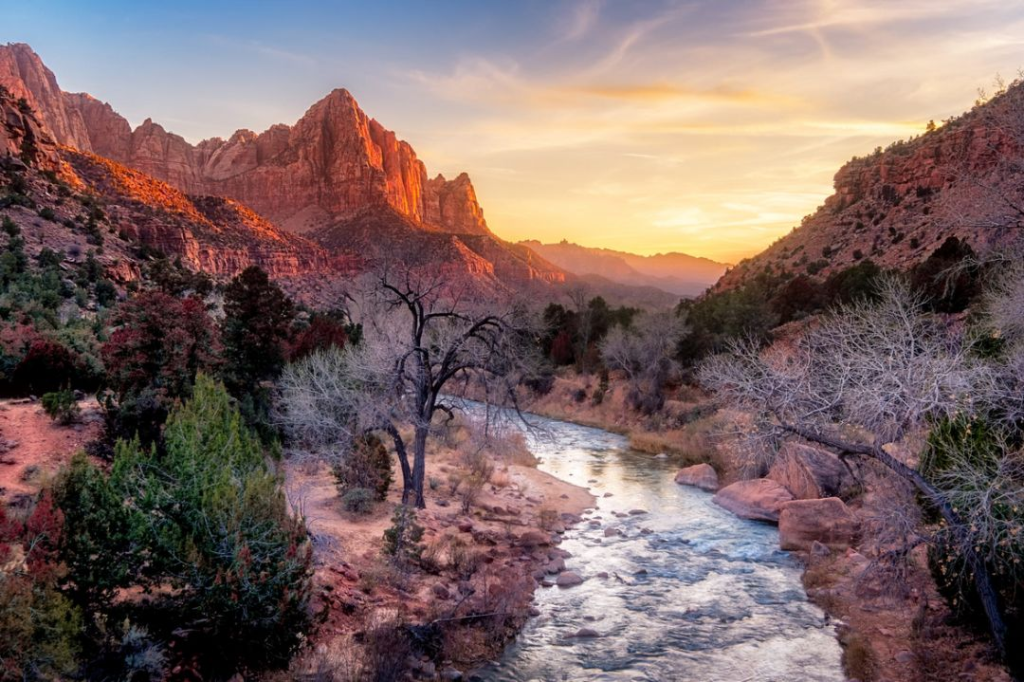
Zion National Park's main attraction is Zion Canyon, which is 24 kilometers long and 800 meters deep. Its red and tan Navajo Sandstone has been carved by the North Fork of the Virgin River. The geology of the Zion and Kolob canyons area includes nine formations that together represent 150 million years of mostly Mesozoic-aged sedimentation.
Other famous features include the Great White Throne, Checkerboard Mesa, Kolob Arch, the Three Patriarchs, and the Virgin River Narrows.
7. Grand Teton National Park, Wyoming
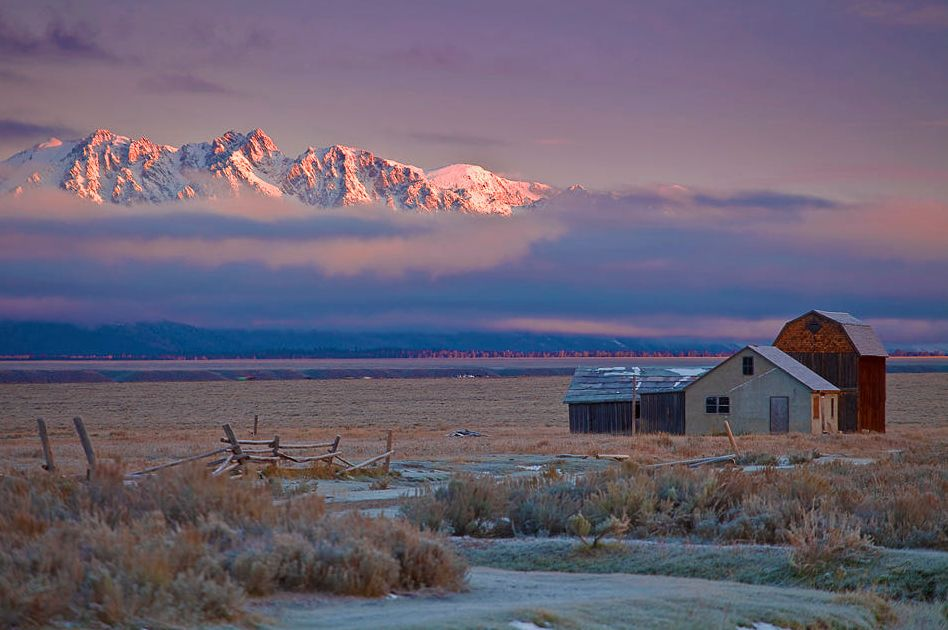
Grand Teton National Park has over twenty peaks exceeding 3,048 meters (10,000 feet) and is a paradise for climbers. Grand Teton, the highest peak in the Teton Range, reaches an elevation of 4,197 meters (13,770 feet). The park still has existing glaciers and is located near Yellowstone National Park, which may contribute to its popularity.
Autumn brings bright colors to a canyon in Wyoming's Grand Teton National Park. While Grand Teton offers stunning scenery year-round, September and October are particularly pleasant, with cool nights, fewer crowds, and a higher chance of spotting elk compared to summer.
6. Olympic National Park, Washington
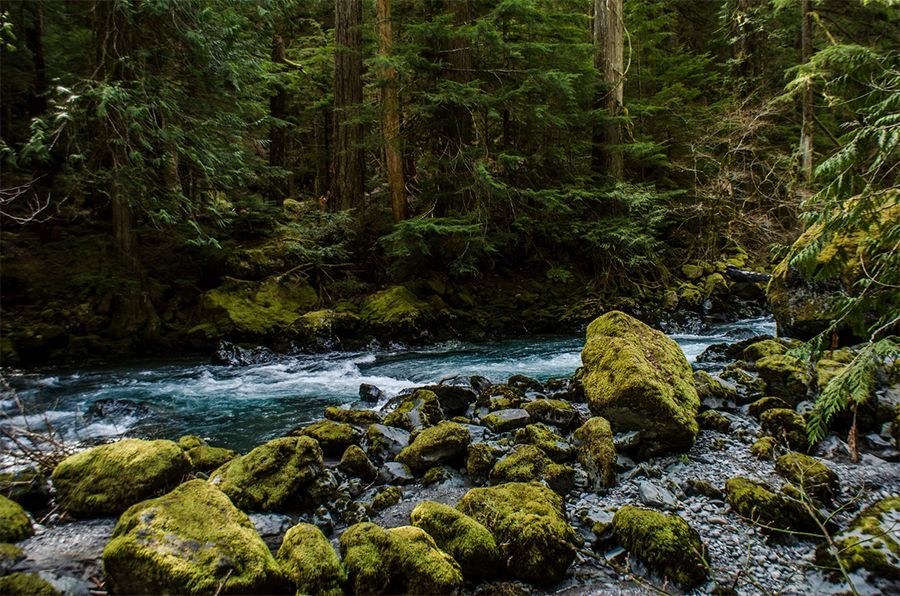
Olympic National Park is located on the Olympic Peninsula and is surrounded by the sea on three sides. Warm, moist air from the Pacific Ocean is blocked by the Olympic Mountains and forced to rise, creating snowfall in the high mountains and rainfall in the lower elevations, resulting in one of the world's few temperate rainforests.
It also nurtures many endemic plants and animals, including the endangered northern spotted owl, marbled murrelet, and bull trout. Although less famous than parks like Yellowstone, Olympic National Park uniquely combines coastal, mountain, and rainforest ecosystems, making it one of the most worthwhile national parks to visit in the Pacific Northwest.
5. Rocky Mountain National Park, Colorado
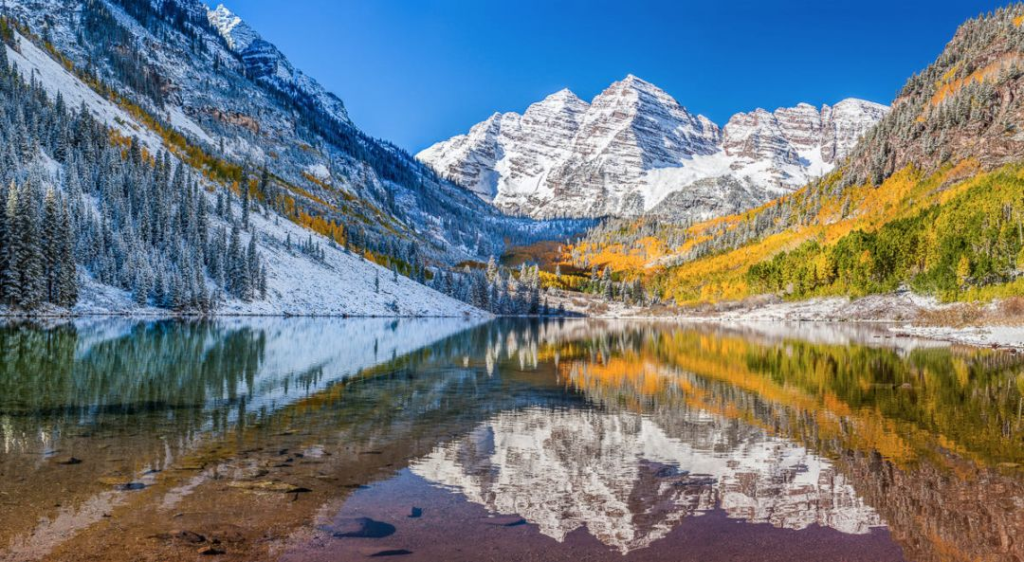
The rocks of the Rocky Mountains formed long before the mountains themselves were uplifted. The oldest rocks are Precambrian metamorphic rocks that make up the core of the North American continent. There is also evidence of Precambrian sedimentary argillite, dating back to 1.7 billion years ago. During the Paleozoic era, western North America lay underneath a shallow sea, which deposited several kilometers of limestone and dolomite.
Rocky Mountain National Park is characterized by its magnificent mountain scenery. It's a popular tourist destination offering activities like camping, hiking, climbing, fishing, hunting, mountain biking, skiing, and snowboarding.
4. Yellowstone National Park, Wyoming
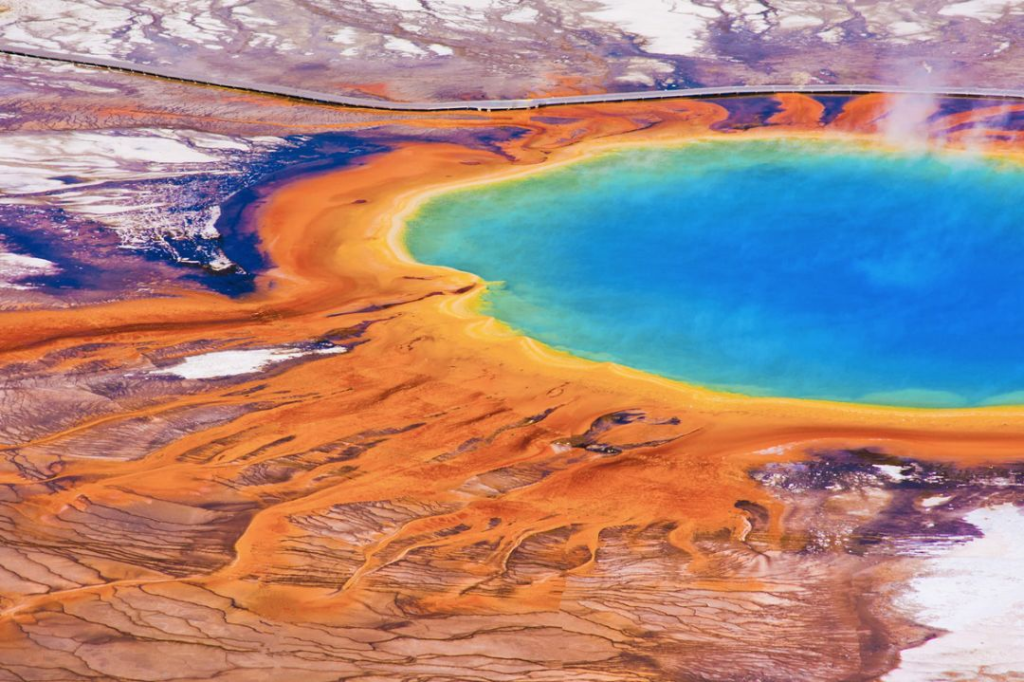
Yellowstone National Park (often called Yellowstone) was the first national park in the United States. It's located primarily in Wyoming, with parts extending into Montana and Idaho. Established by an act of Congress on March 1, 1872, it's the world's first national park. It is mainly made up of mountains, forests, and grasslands.
Yellowstone is famous for its abundant wildlife and geothermal resources. Its geysers are among its most famous attractions. The entire park has over 300 geysers and at least 10,000 geothermal features, accounting for half of the world's geothermal features and two-thirds of its geysers.
3. Yosemite National Park, California
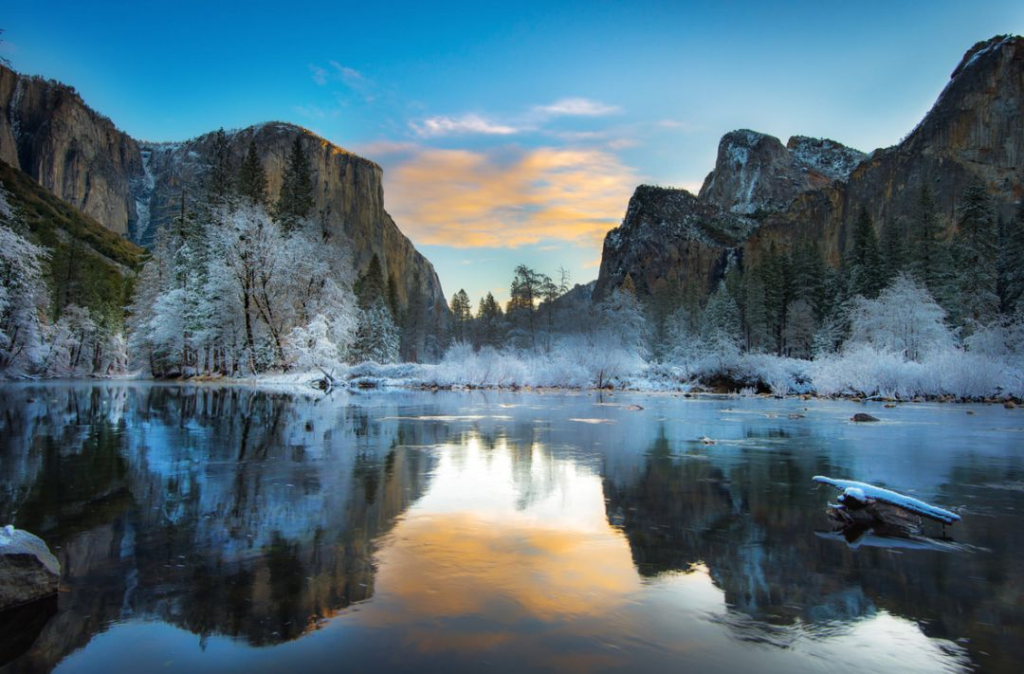
Yosemite National Park covers an area of approximately 1,100 square miles. It's located on the western slopes of the Sierra Nevada, with the Merced River flowing through the valley. Yosemite's diverse landscape supports 37 native tree species and hundreds of native wildflower species, many of which are found only in this park.
Spanning both Mediterranean and montane climates, its vegetation is primarily subtropical coniferous forest. Yosemite's wildlife is diverse, and you can find some previously endangered species like peregrine falcons, golden eagles, and bighorn sheep. It was designated a UNESCO World Heritage Site in 1984.
2. Grand Canyon National Park, Arizona
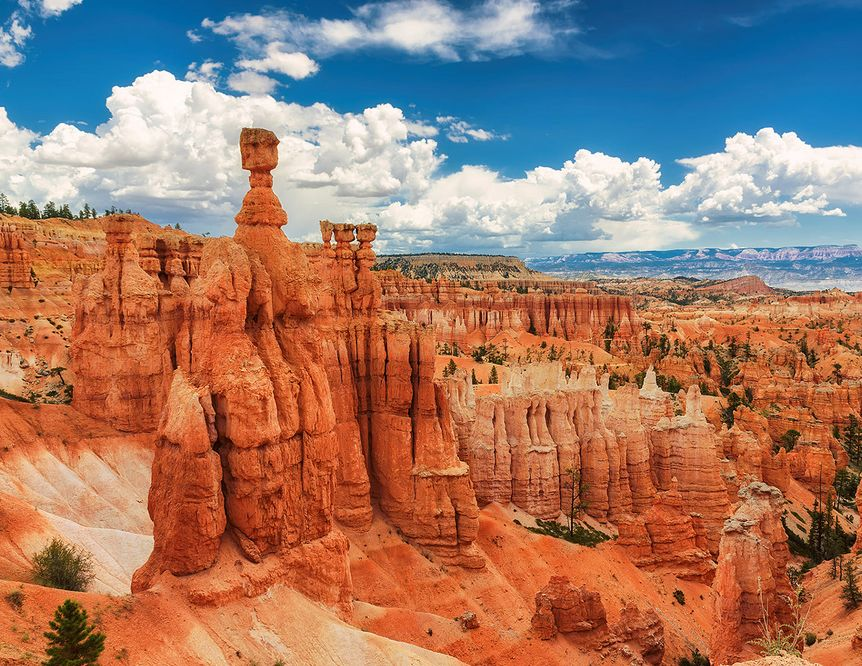
Grand Canyon National Park is located in the southwestern United States and was designated a World Heritage Site in 1979. It's famous for the Grand Canyon, a 1,500-meter-deep gorge carved by the Colorado River over millions of years. The elevation change from the rim to the bottom of the canyon creates a wide variety of wildlife habitats.
The Grand Canyon is a truly spectacular sight, offering hiking trails unlike anywhere else in the world. With its different sections - West Rim, South Rim, and North Rim - it offers diverse landscapes and is considered one of the Seven Natural Wonders of the World.
1. Great Smoky Mountains National Park, Tennessee
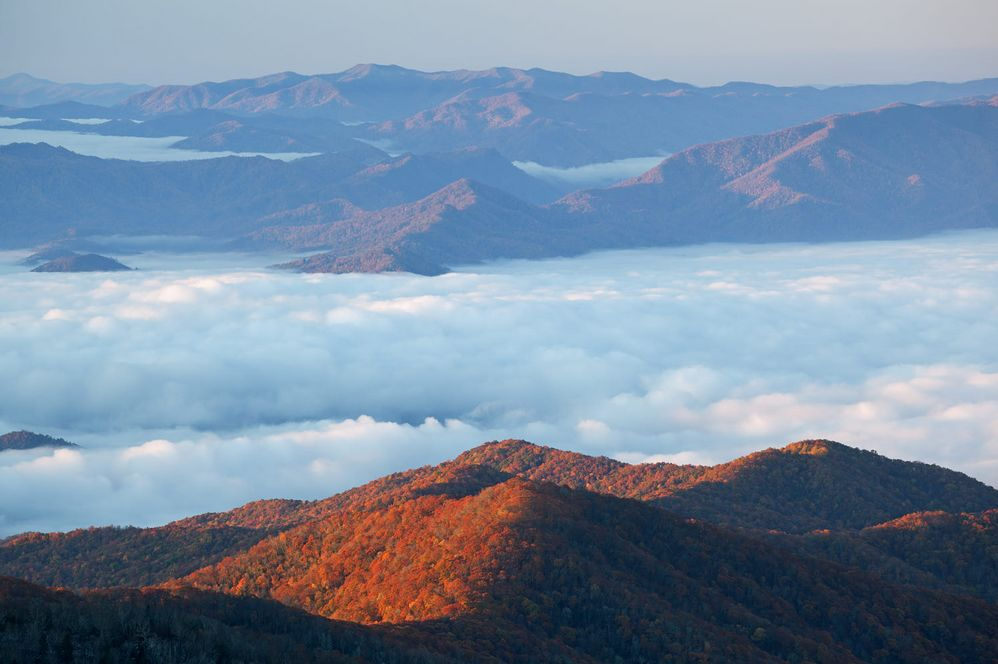
Great Smoky Mountains National Park (also known as Great Smoky Mountains National Park) is located on the border of Tennessee and North Carolina, spanning 800 square miles of the southern Appalachian Mountains. As the most visited national park in the United States, it receives about ten million visitors annually, far more than any other park.
The Great Smoky Mountains are home to over 120 tree species, 4,000 species of non-flowering plants, and 1,600 species of flowering plants that bloom from early spring to late autumn in the mountain meadows. There are also over 1,000 species of mammals (including 1,600 bears roaming freely), fish, and other wildlife.