

Unaware beauty is always alluring, both for the object of beauty and the beholder. When beauty is revealed slowly, the beholder cannot help but be filled with a sense of wonder.
American author John Steinbeck, inspired by the beauty of small Italian towns, once said: "It is a dream that you feel as if you’re there but it's not real and when you leave you know that's what's real."
While crowds flock to the bustling streets of Rome, the Renaissance art of Florence, and the busy fashion scene of Milan, the most tranquil and often overlooked sights of the Apennine Peninsula remain in quiet existence.
These small towns are peaceful, secluded, and largely unknown. Each with its own unique character and rich history, scattered throughout the fertile lands of Southern Europe, awaiting discovery.
This post is a guide to ten largely undiscovered and beautiful Italian towns, sure to satisfy your craving for unique and off-the-beaten-path destinations.
1. Civita di Bagnoregio
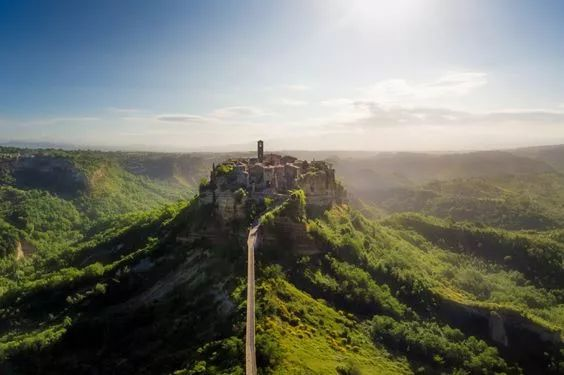
The ancient town of Civita di Bagnoregio, built 2,500 years ago, is located in the province of Viterbo, about 120 kilometers from Rome. It served as the inspiration for Hayao Miyazaki's animated film Castle in the Sky. It’s a mountaintop fortress, about 300 meters long and 200 meters wide, with a single, narrow path connecting it to the valley below.
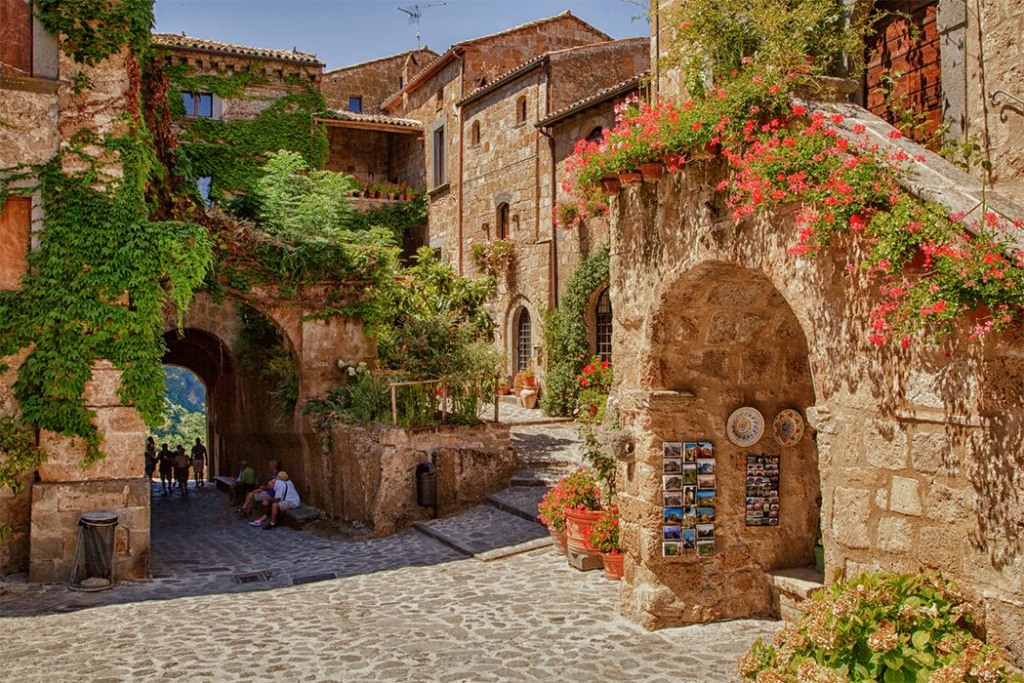
When viewed from below on a foggy morning, it appears to be floating in mid-air. The town sits on a plateau of volcanic tufa rock, prone to erosion, and was named one of the "100 Most Endangered Sites" by the World Monuments Fund in 2006.
Years of soil erosion and natural disasters have gradually transformed the town into an isolated island, which has helped to perfectly preserve its medieval character. The town is only accessible on foot, inviting visitors to slowly explore its charms.
2. Burano
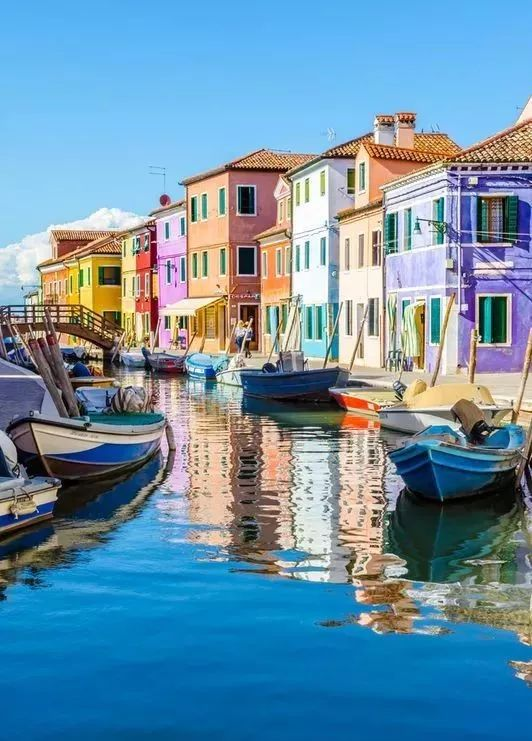
A 30-minute boat ride from Venice takes you to Burano. The colors are vibrant, and the atmosphere is relaxed. This island is one of many lagoon islands, inhabited by the descendants of local fishermen. If you appreciate handmade lace and stained glass, this is the place for you.
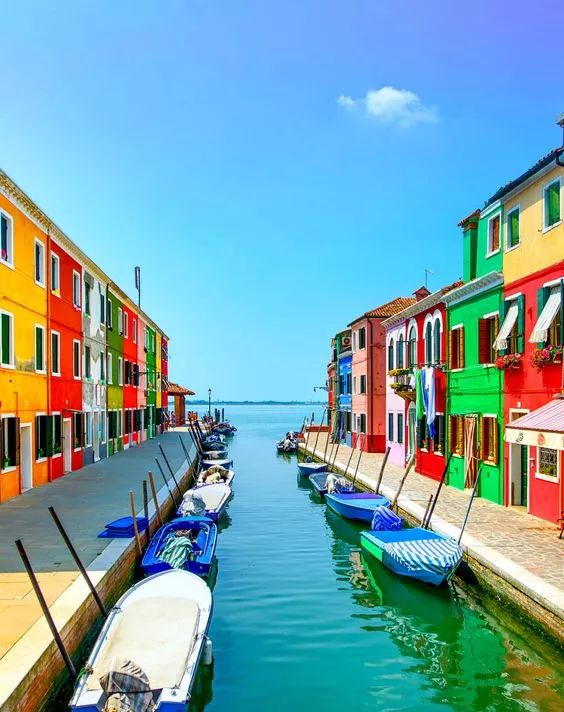
The local government requires residents to repaint their house exteriors annually, giving the town a continuously refreshed look. The pace of life is slow and peaceful. The colorful flower-filled balconies, clotheslines, and laid-back atmosphere show a unique way of life.
3. Crema
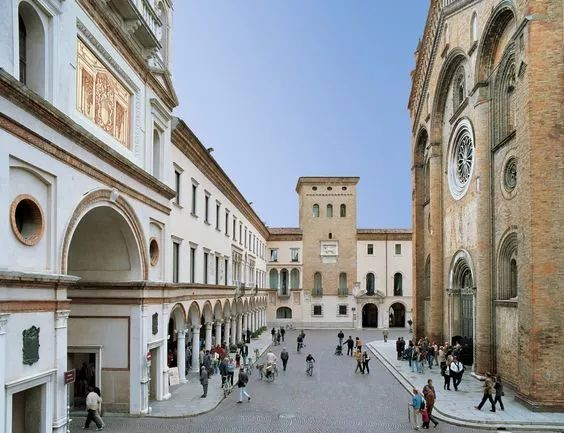
This little-known town in northern Italy gained popularity due to a particular film. However, the town itself deserves attention beyond that association. Classic and peaceful, it's filled with churches, sun-faded walls, and the sound of bicycle bells. This makes up the unforgettable experience of Northern Italy.
Crema is about an hour's train ride from Milan. A leisurely walk through the town takes about half an hour. You can enjoy a quiet coffee break at a cafe and try local pastries and fruit.
Visit the Crema Cathedral and Santa Maria della Croce, two impressive religious buildings that serve as iconic landmarks of Crema.
4. Castel Gandolfo
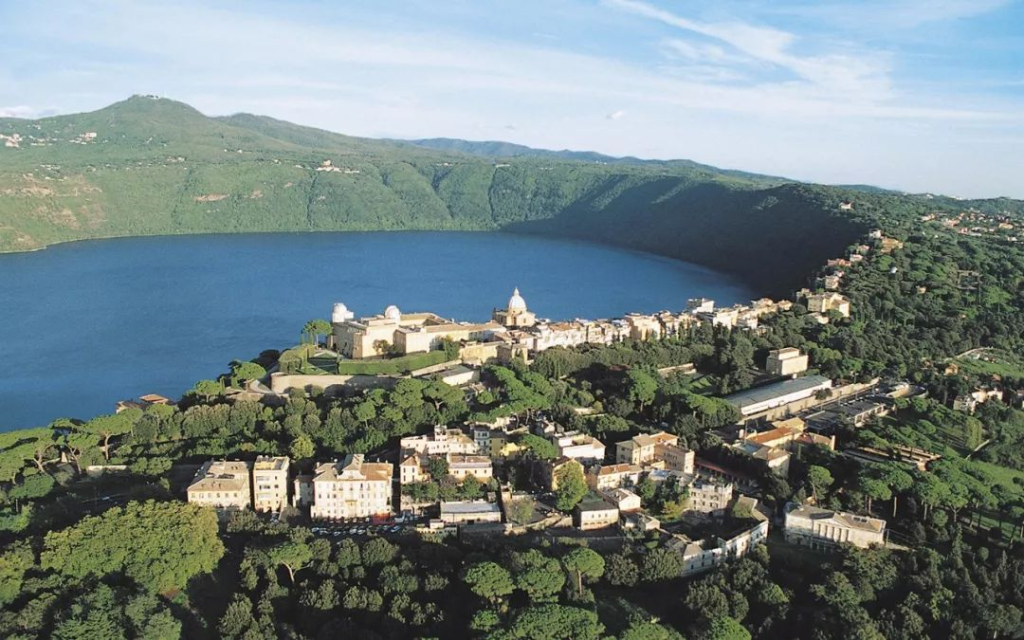
Castel Gandolfo is a small town of about 7,000 inhabitants located on the Alban Hills overlooking Lake Albano. About 30 kilometers southeast of Rome, it has been used as the summer retreat for the Popes for 400 years.
Lake Albano sits in an ancient volcanic crater that dates back to the 7th century BC. Archeological discoveries in the lake have caused some to believe that Albano was the birthplace of the ancient Roman civilization. Pope John Paul II stayed at the Castel Gandolfo villa many times. He also met with US President George W. Bush here.
The papal villa is designed in a Baroque style, with a central courtyard featuring sculptures and statues and a plethora of greenery. The blue waters of Lake Albano add to the colorful setting. There is a stone wall overlooking the lake and a walkway to the valley below. The Vatican Observatory’s headquarters are also located in Castel Gandolfo.
5. Cinque Terre
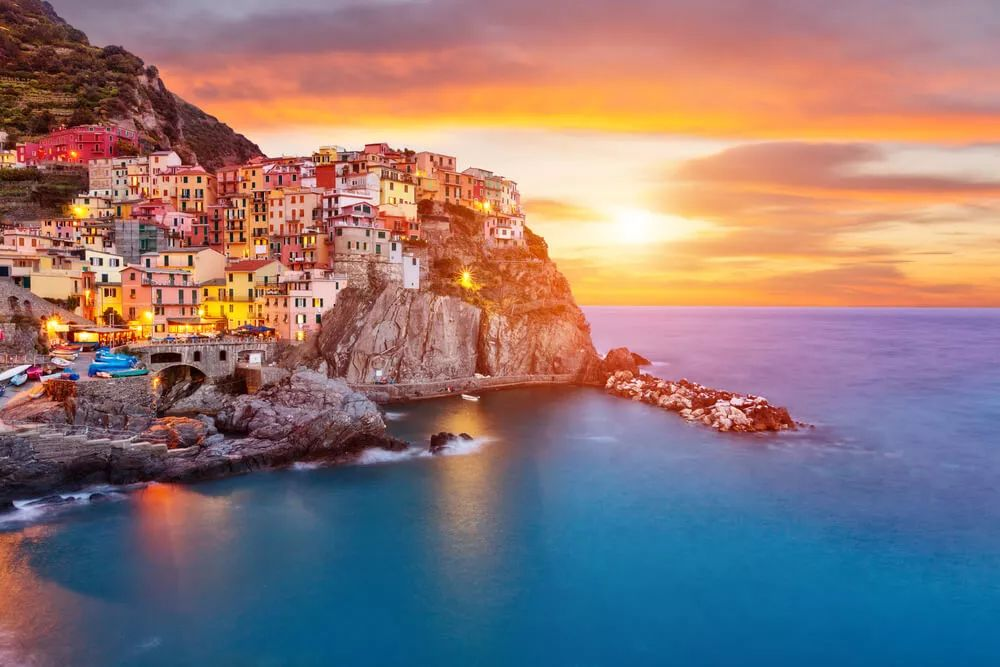
When discussing coastal towns in Italy, you cannot miss the Amalfi Coast and the Cinque Terre. This location has been photographed extensively by Instagram influencers, but it's beauty is worth celebrating. It’s a unique blend of mountains and sea.
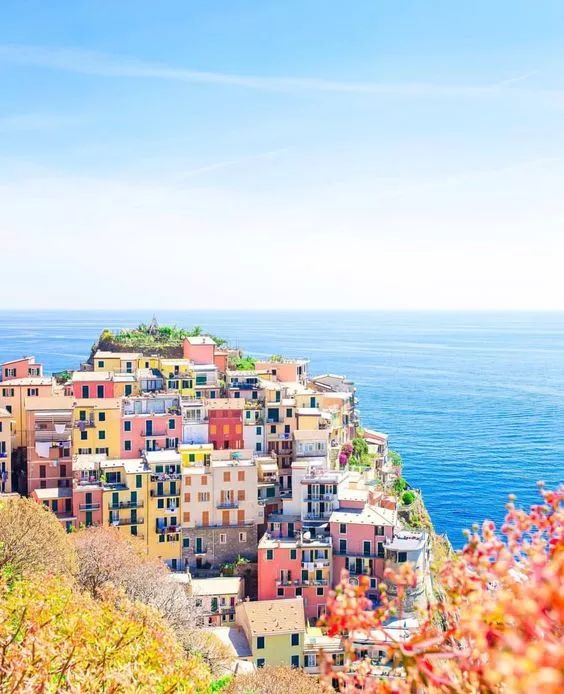
Cinque Terre is a collection of five villages: Monterosso al Mare, Vernazza, Corniglia, Manarola, and Riomaggiore. It’s a popular location for hikers. The villages are connected by train, making it easy to hop from one to the next.
Originally, the area was largely barren. Early settlers transformed the land into terraced fields, eventually cultivating vineyards, lemon trees, and olive groves. The grapes are used to make the local white wine and sciacchetrà.
6. Castiglione di Sicilia
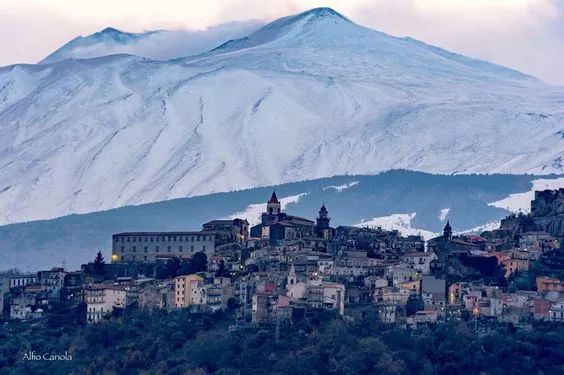
Castiglione di Sicilia is located on a hilltop north of Mount Etna, between Randazzo and Taormina. Seen from afar, it is the typical hilltop village. When the sun sets, the entire area glows gold.
The town center is Lauria piazza, a beautiful central square built of lava stone. In times of scarcity, the people amassed wealth here to protect their citizenship. Today, this is the site of the town hall.
A short walk takes you to the 17th-century Church of St. Anthony. Climbing steep, narrow roads will take you to the 1105 AD Church of Saint Peter. The town is filled with rich history, grand religious buildings, military forts, and watchtowers.
7. Otranto
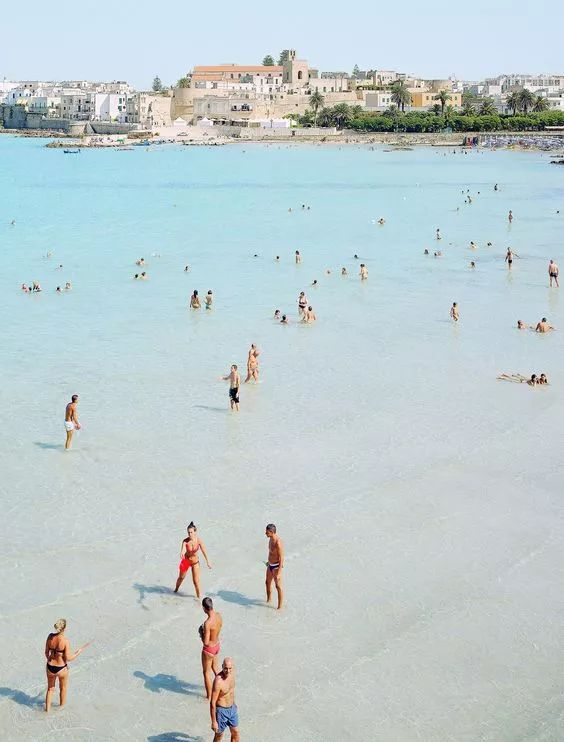
Located at the easternmost point of Italy, opposite Albania, Otranto was once known for its horses. The blue seas and white stone houses make you think that you are in Greece, and this is where you can see Italy’s earliest sunrise.
During the Roman era, Otranto was the closest port to the Adriatic Sea. It is also known as the setting of Horace Walpole's novel, The Castle of Otranto, widely considered the first Gothic novel. The area is dotted with churches and castles.
You can visit the natural sea baths and lava cave pools, and the whole town has a clean and fresh feel. Be sure to visit Otranto Castle and the 11th-century cathedral. It contains an impressive mosaic floor crafted by monks.
8. Arquà Petrarca
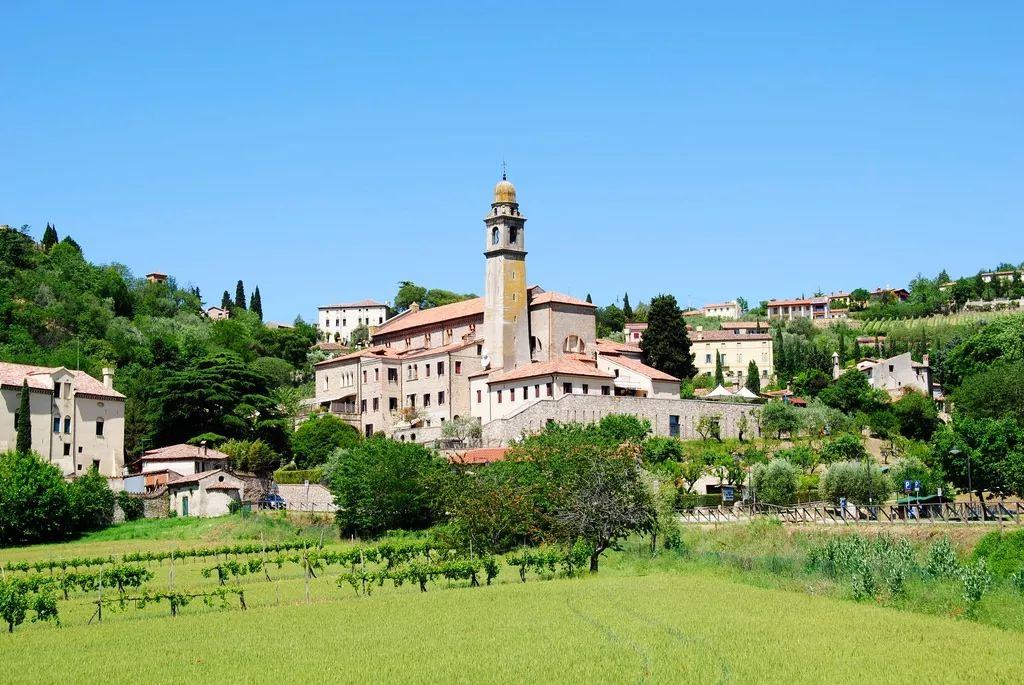
This year, Italian television selected 20 of the country's most representative towns out of thousands, and then asked viewers to vote for their top 10. Arquà Petrarca came in second place.
Arquà is a town in the province of Padua in the Veneto region, nestled in the Euganean Hills. Once two distinct villages, it is now a unified whole. It preserves much of its medieval architecture and is a haven for artists and musicians.
The iconic landmarks of Arquà are St. Mary Church and The Holy Trinity Church. These two ancient churches form the heart of the village. The region is known for its wine and olive oil. Bigoli with meat sauce is the local dish, and jujubes are a local specialty, harvested in October.
9. Positano
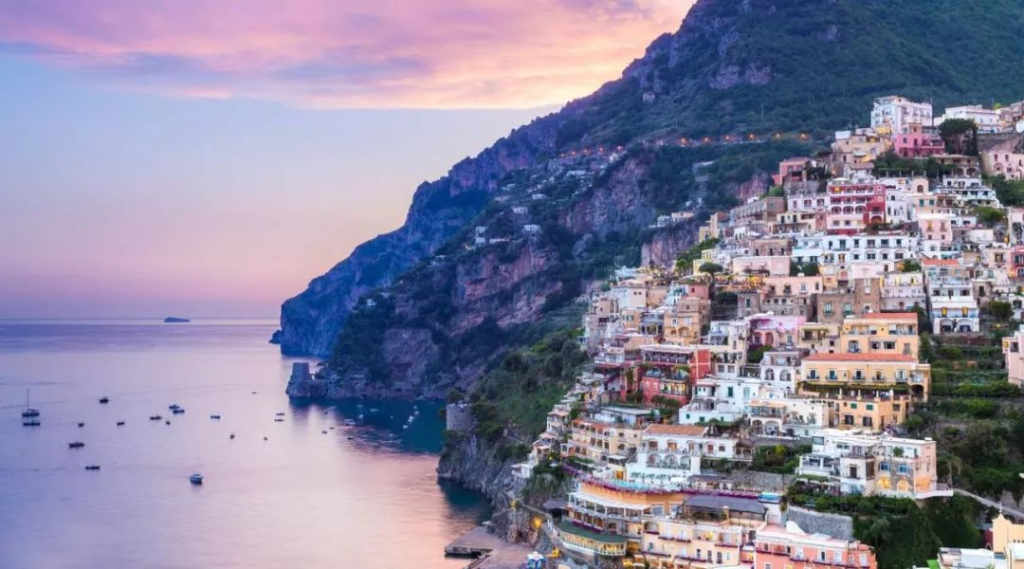
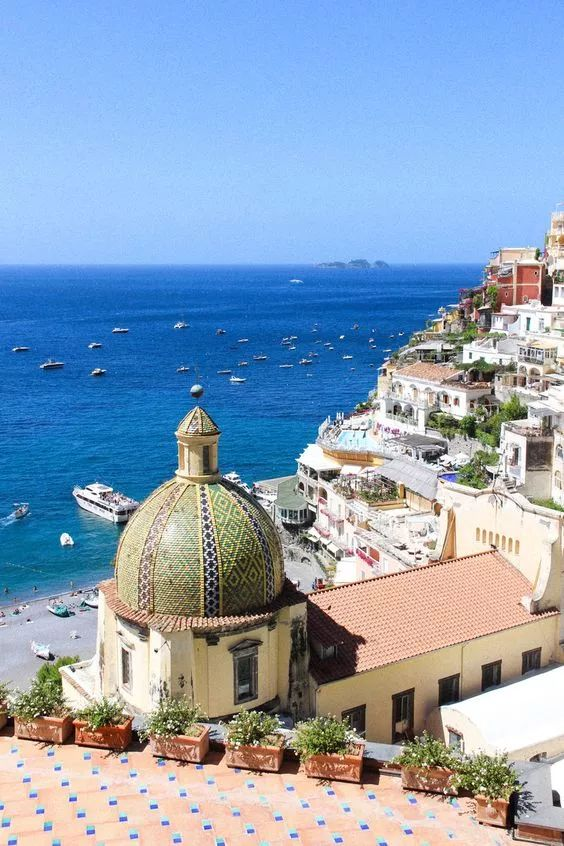
Positano, a magical town on the Amalfi Coast, is one of the most beautiful towns in Italy. Nobel Prize laureate John Steinbeck described the town, saying, "It is a dream place that isn’t quite real when you are there and becomes beckoningly real after you have gone."
If you start in Sorrento, Positano will be your first stop. It is said that Homer’s Odyssey was inspired by the sirens of Positano. The town was built by the ancient Romans.
When visiting Positano, you will need a comfortable pair of walking shoes to handle all the stairs. Start by exploring the beaches of Fornillo and Marina Grande, then ascend to the Church of Santa Maria Assunta, the iconic building of the town.
The interior of the church features pillars with the Ognia letter and gold-plated capitals. Don't miss the vibrantly colored pottery that decorates many of the roadside buildings, adding a distinctly southern European flair.
If you have the time, be sure to visit Nocelle, a secluded hilltop village that offers a panoramic view of Positano.
10. Ravello
Ravello is another must-see town on the Amalfi Coast, located at a higher elevation with a strong artistic and historical atmosphere. Virginia Woolf and Gore Vidal visited here. Villa Rufolo and Villa Cimbrone are local landmarks that were originally private villas.
They were transformed by the British in an impressive fusion of Italian architectural styles. These sites offer stunning gardens and panoramic views of the Amalfi Coast.
Unlike bustling Amalfi, Ravello is surprisingly quiet. The narrow streets are scented with lemons. The local lemon variety is Sfusato Amlfitano, harvested from February to October. The unique terroir of the Amalfi region gives these lemons a unique flavor.
Only the view with you is the trip I truly desire.